Understanding the Cloud: How SaaS Technology Operates
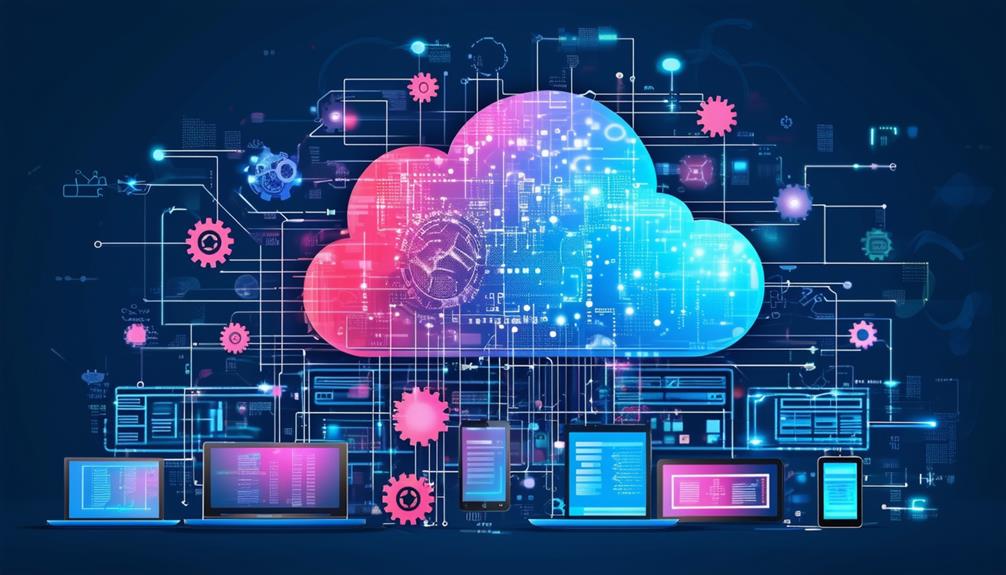
When exploring how SaaS technology operates, you'll find that it's more than just software hosted on external servers. This model allows you to access applications from any internet-connected device, eliminating the need for local installations. You'll benefit from subscription-based pricing, automatic updates, and seamless data transfer. What truly sets SaaS apart is its multi-tenant architecture, which efficiently shares resources while maintaining robust data security. As you consider the shift to SaaS, it's important to understand its unique advantages and the potential challenges it presents for businesses.
Key Takeaways
- SaaS applications operate on external servers managed by third-party providers and are accessible through the internet.
- SaaS eliminates the need for local software installations, offering seamless updates and ongoing maintenance.
- Users can access SaaS tools from any internet-connected device using web browsers.
- SaaS providers implement robust security measures, including authentication and encryption, to safeguard user data.
- SaaS employs subscription-based pricing models, minimizing upfront costs and offering scalable solutions.
Defining SaaS
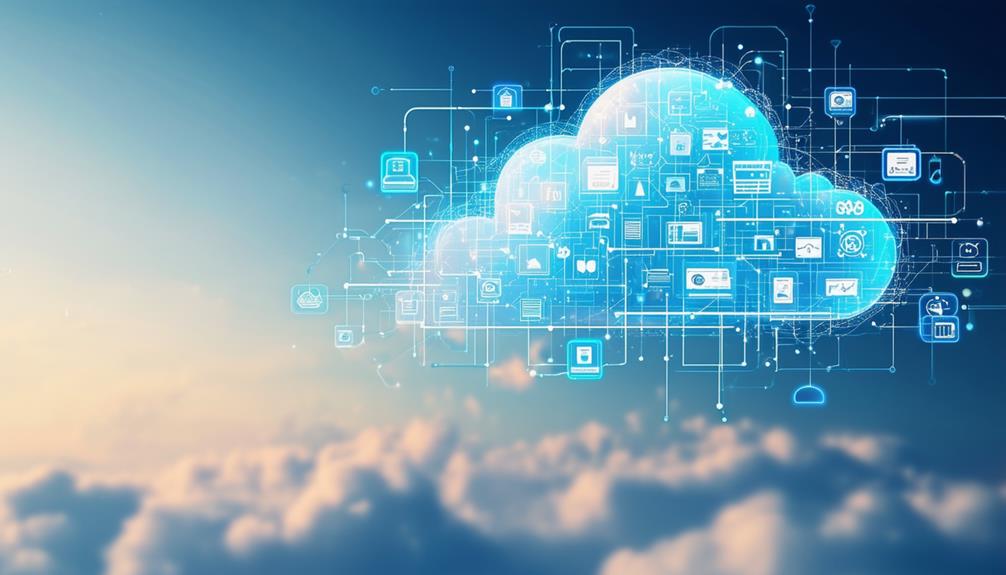
SaaS, or Software as a Service, allows users to access applications over the internet without needing to install them locally. This cloud-based software delivery model has revolutionized the way software is utilized. Instead of downloading and installing software on your device, you can access applications directly through your web browser.
SaaS providers manage all software maintenance and updates, ensuring you always have the latest features and security patches without any effort on your part. This model supports a wide range of applications, from customer relationship management (CRM) tools like Salesforce to collaboration platforms like Slack and productivity suites like Google Workspace.
These applications are designed to be user-friendly and easily accessible, streamlining workflows and enhancing efficiency. Users can access these applications from virtually anywhere with an internet connection, offering unparalleled flexibility. This is a significant factor behind the SaaS market's rapid growth, projected to reach $200 billion by 2024. SaaS is evidently shaping the future of software usage and accessibility.
Saas Vs Traditional Software
Comparing SaaS (Software as a Service) to traditional software highlights key differences in cost, maintenance, and accessibility. With SaaS, there's no need to install software on individual machines or perform regular updates. Instead, cloud-based applications are accessed via the internet, offering flexibility and accessibility from any location with an internet connection.
Traditional software often incurs significant upfront costs due to software licensing and the need for compatible hardware. These costs can be prohibitive, especially for small businesses. Conversely, SaaS operates on a subscription-based pricing model, allowing companies to scale up or down according to their needs, making it more cost-effective over time.
Data transfer with SaaS is also seamless; since everything is stored in the cloud, data can be accessed across different devices without manual transfers.
Here's a quick comparison to help elucidate the key differences:
- Cost: Traditional software requires high upfront costs for licenses and hardware, while SaaS offers flexible, subscription-based pricing.
- Maintenance: Traditional software needs regular updates on each device, whereas SaaS provides automatic updates.
- Accessibility: SaaS applications are accessed via the cloud, providing greater flexibility and mobility compared to traditional software.
This comparison underscores the advantages of SaaS in terms of cost efficiency, ease of maintenance, and accessibility, making it a compelling option for modern businesses.
How SaaS Operates
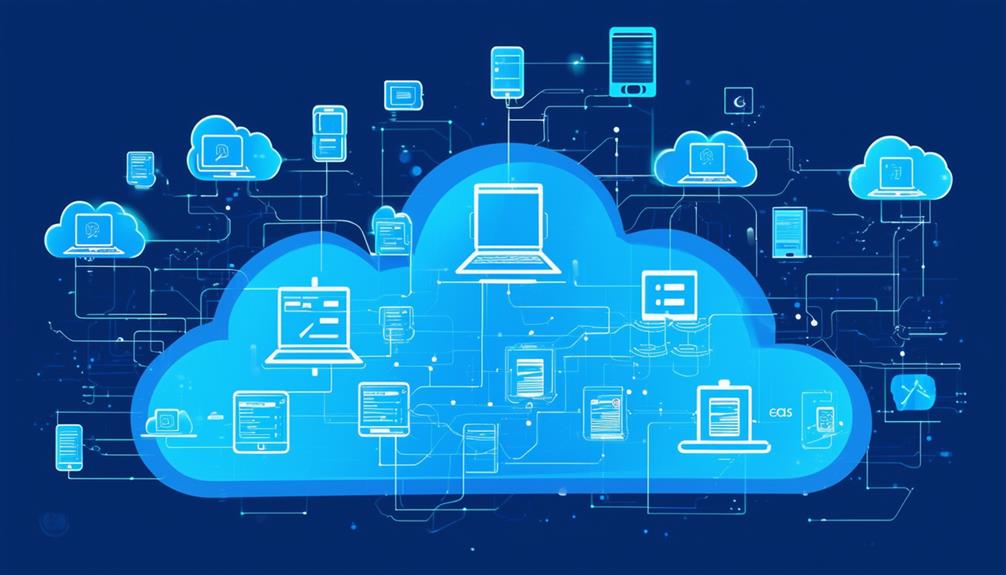
SaaS, or Software as a Service, operates by hosting applications on external servers managed by the SaaS provider, rather than requiring installation on individual devices. This enables you to access software tools from any device with an internet connection via a web browser, eliminating the need for complex installations or updates on your end.
SaaS providers handle all bug fixes, updates, and maintenance tasks, ensuring that you always access the latest version of the software without any disruptions. The multi-tenant architecture of SaaS efficiently shares resources among multiple users while keeping your data segregated and secure.
This setup ensures you can interact with the software on any device—be it a laptop, tablet, or smartphone—as long as you have an internet connection. Whether you're at home, in the office, or on the go, SaaS makes it easy to stay productive and connected.
Key Benefits of SaaS
Understanding how SaaS operates lays the groundwork for exploring its key benefits: cost-effectiveness, ease of access, and seamless integration.
Cost-effectiveness: The SaaS model is designed to be financially efficient. Instead of incurring hefty upfront costs, SaaS solutions offer flexible payment plans that reduce initial expenses and allow for scalable pricing. This flexibility enables you to adjust your subscription according to your needs and budget.
Ease of access: SaaS offers unparalleled accessibility. There is no need for local software installations or manual updates, as these are managed by the SaaS provider. Hosted in the cloud, these applications can be accessed from anywhere with an internet connection, thereby enhancing convenience and productivity.
Seamless integration: SaaS solutions excel in integration capabilities. They can effortlessly connect with other software through APIs, creating an interconnected and efficient digital ecosystem for your business. This interoperability ensures that your various tools and platforms work together smoothly, thereby improving operational efficiency.
Challenges of SaaS
Understanding the challenges of SaaS is crucial for effective implementation. One major issue is vendor lock-in, which can make switching providers difficult and costly, thereby limiting your flexibility and control over your software environment.
Security concerns are another critical challenge. Data breaches and compliance requirements necessitate constant vigilance. It's essential to ensure that your SaaS provider implements robust security measures to protect sensitive information and meet industry standards.
SLA enforcement is also a significant hurdle. Ensuring that your Service Level Agreement is adhered to by the vendor can be tricky, especially during service disruptions. You need a clear understanding of the terms and mechanisms to enforce them to avoid unexpected downtime or performance issues.
Integration challenges can arise when making SaaS applications work seamlessly with your existing software systems. Compatibility issues and the need for custom solutions can complicate the process, requiring additional time and resources.
Lastly, managing software versioning and upgrades can be complex, as these are controlled by the SaaS provider. Staying updated without disrupting your operations requires careful planning and coordination.
SaaS Security Measures
In the context of SaaS security, it is crucial to understand the importance of data encryption protocols and robust access control mechanisms. Encryption ensures that your data remains secure during both transmission and storage, while access controls determine who can view or modify sensitive information. These measures collectively protect your data against unauthorized access and potential breaches, thus maintaining data integrity and confidentiality.
Data Encryption Protocols
In SaaS applications, robust data encryption protocols such as SSL, TLS, and AES ensure the security of sensitive information both in transit and at rest. These protocols are essential for protecting data from unauthorized access and breaches.
Secure Sockets Layer (SSL) and its successor, Transport Layer Security (TLS), are widely used to secure data as it travels over the internet. They encrypt the data, rendering it unreadable to anyone who might intercept it. For data at rest, the Advanced Encryption Standard (AES) is commonly adopted, providing a high level of security for stored information.
Encryption key management is another critical aspect of SaaS security. Effective key management involves the secure generation, storage, and handling of encryption keys, ensuring that only authorized users can decrypt the data. Compliance regulations such as GDPR and HIPAA often require these robust encryption measures to protect user privacy and data integrity.
Here are some benefits of implementing strong data encryption protocols in SaaS:
- Enhanced Security: Protects sensitive information from unauthorized access.
- Regulatory Compliance: Meets industry standards for data protection.
- Data Integrity: Ensures data remains unchanged and accurate.
Access Control Mechanisms
To maintain the security of your SaaS environment, access control mechanisms are essential for verifying user identities and managing permissions. These mechanisms ensure that only authorized users can access specific data and resources, providing a robust layer of protection for your SaaS technology.
Authentication processes are crucial in access control, confirming user identities before granting access. Multi-factor authentication (MFA) enhances security by requiring multiple forms of verification, such as a password and a fingerprint, thereby reducing the risk of unauthorized access.
Role-based access control (RBAC) assigns permissions based on user roles, ensuring users can only access data necessary for their job, thus minimizing potential security breaches. Additionally, access control lists (ACLs) help restrict user access to particular resources within your SaaS applications.
Encryption techniques are also indispensable, protecting data both in transit and at rest. This ensures that even if data is intercepted, it remains unreadable without the proper decryption key.
Here's a quick comparison of different access control mechanisms:
| Mechanism | Purpose |
|---|---|
| Authentication Processes | Verify user identities |
| Multi-Factor Authentication | Add extra verification layers |
| Role-Based Access Control | Assign permissions based on roles |
| Access Control Lists | Limit access to specific resources |
| Encryption Techniques | Protect data in transit and at rest |
These mechanisms collectively provide a comprehensive approach to securing your SaaS environment, ensuring semantic accuracy, completeness, consistency, conciseness, relevance, interoperability, and trustworthiness.
Popular SaaS Providers
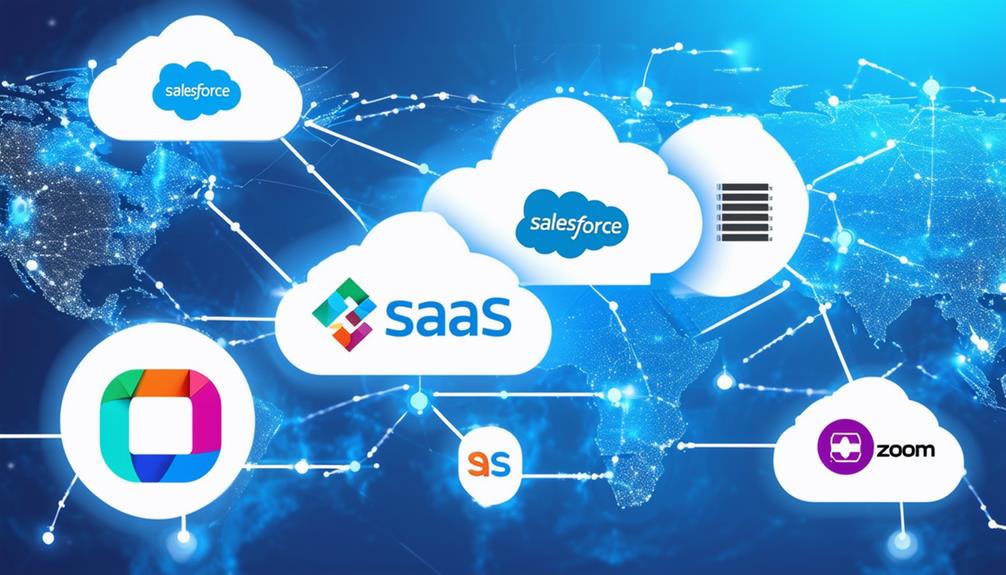
When examining popular SaaS providers, you'll encounter industry giants like Salesforce, Microsoft, and Google, who dominate the market with comprehensive solutions addressing various business requirements, from customer relationship management to office productivity. However, it's essential not to overlook emerging innovators who are revolutionizing SaaS technology with innovative and dynamic approaches.
Top Market Leaders
Several industry giants dominate the SaaS landscape, setting the standard for innovation and user experience. These top market leaders have transformed the way businesses operate and communicate.
First, let's talk about Salesforce. As a pioneer in SaaS technology, Salesforce Customer Relationship Management (CRM) boasts a market share of over 18% in the CRM software segment, making it a go-to solution for businesses looking to streamline their customer interactions.
Next up is Microsoft Office 365. With over 258 million active users worldwide, Microsoft Office 365 offers a comprehensive suite of productivity tools essential for both personal and professional use. Its exceptional integration capabilities make it a favorite among enterprises.
Adobe Creative Cloud is another key player. Catering to over 22 million paid subscribers, Adobe Creative Cloud provides creative professionals with tools like Photoshop and Illustrator, transforming the creative industry by making high-quality design software accessible via the cloud.
Other notable mentions include:
- Zoom: A leading video conferencing platform with a 169% revenue growth in 2020.
- Shopify: An e-commerce platform that powers over 1.7 million businesses globally.
These market leaders exemplify the power and potential of SaaS technology.
Emerging SaaS Innovators
While industry giants set the benchmark, emerging SaaS pioneers are rapidly gaining traction, redefining the landscape with innovative, cutting-edge solutions. These new players utilize SaaS technology to deliver inventive products and services, often outpacing traditional software vendors in agility and customer-centric design.
In the domain of cloud computing, emerging trailblazers leverage the public cloud to offer scalable, efficient, and cost-effective solutions. These providers focus on specialized niches like customer relationship management or team collaboration, filling gaps left by larger companies and addressing unique business needs.
Here's a look at some popular SaaS providers and their flagship offerings:
| SaaS Provider | Key Offering |
|---|---|
| Salesforce | Sales Cloud, Marketing Cloud |
| Slack | Team collaboration and communication |
| Zoom | Video conferencing |
| Microsoft 365 | Productivity tools: Word, Excel, Outlook |
| Adobe Creative Cloud | Design and creative tools |
These emerging SaaS pioneers are not merely addressing existing needs but are also shaping the future of software and cloud computing. By embracing the flexibility and reach of the public cloud, these companies deliver powerful, user-friendly solutions that help businesses thrive in a digital-first world.
SaaS Use Cases
From managing customer relationships to handling payroll, SaaS technology offers versatile solutions for a wide range of business needs. Customer relationship management (CRM) is one area where SaaS products particularly excel. Salesforce, for instance, helps streamline interactions and optimize sales processes. For data storage and collaboration, Google Workspace offers comprehensive applications and data management tools, ensuring that your team stays connected and productive.
Financial management also greatly benefits from SaaS solutions. QuickBooks Online facilitates invoicing, expense tracking, and detailed financial reporting, thereby simplifying accounting tasks. Additionally, human resources management systems like Workday leverage SaaS to deliver efficient employee onboarding, payroll management, and performance tracking.
Popular SaaS use cases include:
- Customer Relationship Management (CRM): Improves customer interactions and sales processes with tools like Salesforce.
- Data Storage and Collaboration: Google Workspace offers email, cloud storage, and collaborative tools.
- Financial Management: QuickBooks Online simplifies accounting with invoicing, expense tracking, and reporting.
- Human Resources Management: Workday provides efficient employee onboarding, payroll management, and performance tracking.
SaaS technology transforms business management by offering scalable and efficient cloud-based services, enhancing various aspects of operations.
Transitioning to SaaS
Transitioning to a SaaS model requires careful planning to ensure a seamless migration from traditional software. Evaluate cost efficiency to understand the long-term financial benefits, and prioritize robust data security measures to protect sensitive information. These steps will help you maximize the advantages of adopting cloud-based solutions.
Migration Best Practices
To facilitate a seamless transition to SaaS, start by thoroughly understanding your current infrastructure and application dependencies. This foundational step helps you develop a robust migration strategy, addressing potential pitfalls early.
Develop a clear migration strategy that prioritizes data security and compliance requirements. Ensure that sensitive information is safeguarded and that you adhere to relevant regulations. This proactive approach minimizes risks and builds trust among SaaS users.
Focus on user adoption by conducting thorough testing and providing detailed training to minimize disruptions. This ensures that your team is comfortable with the new system and can immediately benefit from its features.
Post-migration, monitor performance metrics closely. Pay attention to system performance and gather user feedback to identify areas for continuous improvement. This step helps optimize your SaaS solution for better efficiency and user satisfaction.
Here are some best practices to keep in mind:
- Assess Compatibility: Verify that your current applications and dependencies are compatible with the SaaS solution.
- Plan Data Migration: Develop a detailed plan for data transfer, focusing on data integrity and security.
- Engage Users Early: Involve end-users in the migration process to facilitate smoother user adoption and gather valuable insights.
Cost Efficiency Analysis
Shifting to SaaS can substantially reduce IT infrastructure and maintenance costs, making it a cost-effective choice for many businesses. By leveraging cloud providers, organizations can achieve significant savings. SaaS solutions minimize the need for extensive IT infrastructure, cutting operational costs by 20-25%. Additionally, SaaS adoption can lower software maintenance expenses by 25-30%.
Here's a breakdown of potential savings with SaaS:
| Cost Aspect | Potential Savings |
|---|---|
| IT Infrastructure | Up to 50% |
| Operational Costs | 20-25% |
| Software Maintenance | 25-30% |
| Software Licensing | 15-20% |
| Total Cost of Ownership (TCO) | 30-40% (over 3-5 years) |
One of the significant advantages of switching to SaaS is the reduction in software licensing expenses, which can decrease by 15-20%. The total cost of ownership (TCO) is also significantly lowered, with a 30-40% decrease over 3-5 years. Cloud providers handle updates and security patches, freeing internal teams to focus on strategic initiatives. This not only enhances cost efficiency but also improves IT agility. As you evaluate your tech stack, consider how SaaS can streamline expenses and boost your bottom line.
Data Security Measures
While SaaS solutions offer significant cost savings, ensuring robust data security measures during the transition to cloud-based applications is paramount. To protect your sensitive information, focus on several key areas:
- Implement strong encryption protocols and access controls: Encryption ensures that intercepted data remains unreadable without the correct decryption keys. Access controls limit who can view or modify your data, reducing the risk of unauthorized access.
- Conduct regular security audits and continuous monitoring: These practices detect vulnerabilities and verify the effectiveness of your security measures.
- Understand data residency requirements and compliance regulations: Different regions have varying laws on data storage and protection. Compliance not only safeguards your data but also shields your organization from legal repercussions.
By prioritizing these measures, you can maintain a secure SaaS environment:
- Implement encryption protocols and robust access controls
- Conduct regular security audits and continuous monitoring
- Understand data residency requirements and compliance regulations
Future of SaaS Technology
The future of SaaS technology is poised for substantial growth, with market projections reaching $200 billion by 2024. Data will become even more integral as SaaS providers leverage emerging technologies like AI and machine learning, enhancing functionalities and delivering greater value to users. The SaaS landscape is also evolving towards extensive customization, enabling tailored solutions that better meet specific needs.
Data privacy will remain paramount. As security concerns escalate, SaaS providers are adopting more robust measures to protect sensitive information. This focus ensures that data is handled with the highest standards of care and security, providing peace of mind.
Real-time data access and seamless upgrades will be key benefits. SaaS providers are simplifying the integration of new features and improvements, minimizing operational disruptions. This guarantees continual access to the latest tools and functionalities without the need for manual updates. The future of SaaS aims to make technology smarter, simpler, and more valuable. These advancements will help businesses stay ahead of the curve and thrive in an increasingly interconnected world.
Conclusion
Having gained a comprehensive understanding of how SaaS technology works and its advantages over traditional software, it's clear that embracing SaaS can lead to significant cost savings, enhanced accessibility, and simplified maintenance. While there are challenges to consider, the benefits often outweigh them. When contemplating a shift to SaaS, consider its flexibility and scalability. With major industry players driving innovation, the future of SaaS appears bright. Are you ready to make the switch?
Related posts