Best SaaS Solutions for Cybersecurity

When looking to bolster your cybersecurity defenses, choosing the right SaaS solution is crucial. Leading options like Rezonate, CybeReady, Astra Security, Suridata, and Sprinto offer a range of features, from threat detection to compliance management. These platforms are designed to protect your sensitive data and effectively mitigate cyber risks. But how do you select the best one for your organization? Considering several key factors before making a decision can significantly impact your security posture. Let's explore what sets these solutions apart.
Key Takeaways
- Rezonate provides advanced threat detection and continuous monitoring, ensuring robust cybersecurity for SaaS environments.
- CybeReady specializes in automated security awareness training, effectively mitigating human-centered cybersecurity risks.
- Astra Security delivers comprehensive vulnerability assessment and compliance management, enhancing the security of SaaS applications.
- Suridata excels in data protection and access control, implementing stringent security measures for SaaS platforms.
- Sprinto focuses on seamless compliance management and incident response, maintaining secure and compliant SaaS operations.
What Is Saas Security?
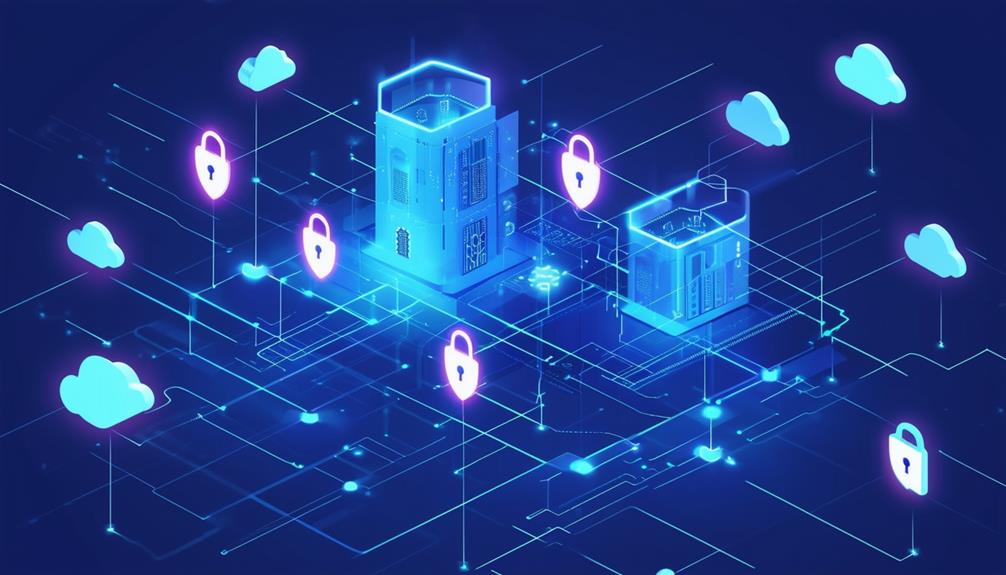
SaaS security fundamentally involves implementing measures to safeguard your data and applications hosted in the cloud. When you utilize SaaS solutions, your data resides on remote servers, making robust security protocols essential. Key components include strong passwords and multi-factor authentication, which ensure that only authorized individuals can access your sensitive information.
Additionally, SaaS security employs encryption protocols to protect your data during both transmission and storage. This encryption makes it difficult for unauthorized parties to decipher the information. Vigilance against cyber threats such as malware and phishing attacks is also crucial, requiring the implementation of various safeguards to maintain data integrity.
Another significant aspect of SaaS security is compliance with regulations such as GDPR. These regulations mandate specific guidelines for protecting user data, ensuring that your organization adheres to legal standards. Compliance not only protects your data but also builds trust with your customers.
Importance of SaaS Security
Understanding the importance of SaaS security is crucial for safeguarding your organization's sensitive data and maintaining customer trust. As reliance on cloud-based applications grows, ensuring that only authorized users can access confidential information becomes paramount. Inadequate security measures can lead to significant threats and legal issues, with 55% of SaaS users reportedly exposing sensitive data online.
Engaging a reputable SaaS security provider can significantly mitigate these risks. Top-tier companies like Astra Security, Cipher, and Intruder offer comprehensive solutions to address potential vulnerabilities. These solutions focus on data security, identifying and closing security loopholes, and ensuring compliance through continuous monitoring and compliance management.
Implementing security awareness training within your organization is another critical step. Educating employees on best practices helps them understand potential risks and how to mitigate them. By proactively addressing security measures and adapting to shared responsibility models, you can prevent data breaches and uphold your organization's integrity.
Prioritizing SaaS security is not just about technology—it's about fostering a culture of vigilance and responsibility. By doing so, you ensure that your organization remains secure and trustworthy in an increasingly interconnected world.
Top SaaS Security Solutions
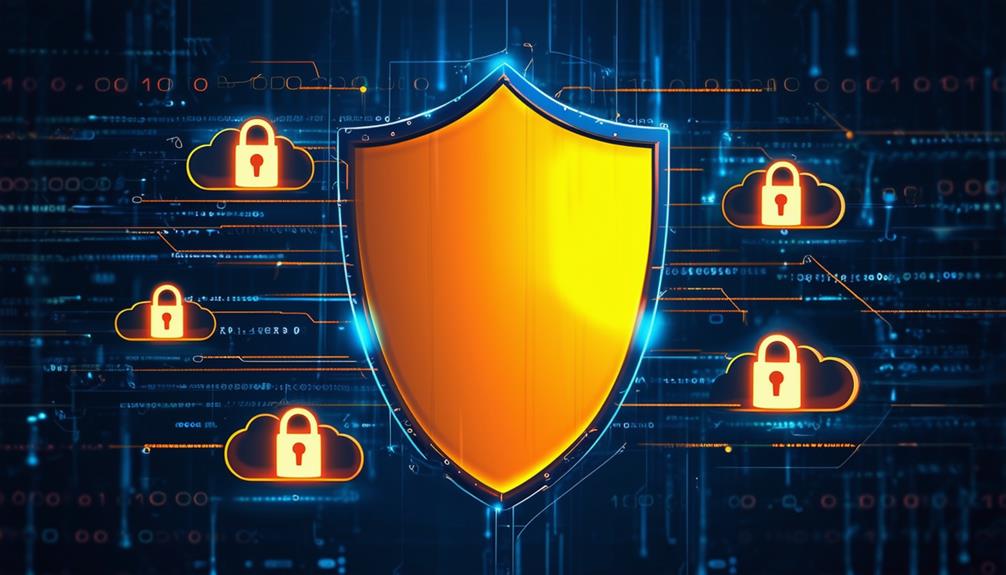
In today's rapidly evolving cybersecurity landscape, selecting premier SaaS security solutions such as Rezonate, CybeReady, Astra Security, Suridata, and Sprinto is crucial for safeguarding your organization's data.
Rezonate, a leader in SaaS security, specializes in identity and access management. They offer robust Security Posture Management and continuous threat monitoring, ensuring your compliance program remains up-to-date and providing substantial protection for your cloud infrastructure.
CybeReady enhances your organization's security posture through comprehensive security awareness training for employees. Their platform helps prevent breaches by educating your workforce on best practices and potential threats. Astra Security focuses on continuous vulnerability management, leveraging automation and AI to bolster your defenses and deliver real-time threat detection.
Suridata excels in identifying and mitigating risks, thereby protecting your organization from financial loss and reputational damage. Their expertise in vulnerability management and threat detection makes them invaluable security consultants.
Sprinto automates regulatory compliance, ensuring your data protection measures meet industry standards. Their tools integrate seamlessly with your cloud infrastructure, simplifying complex compliance requirements. Investing in these top-tier SaaS security solutions will enhance your defenses, ensuring continuous monitoring and robust protection against ever-evolving threats.
Key Features to Consider
When evaluating SaaS cybersecurity solutions, prioritize features that ensure comprehensive protection and seamless integration with your existing systems. Understanding these critical elements can significantly enhance the security of your cloud-based applications.
Here are four key features to consider:
- Threat Detection and Response: Ensure the solution offers real-time monitoring and rapid response capabilities to detect and mitigate cyber threats promptly. An effective security solution should provide automated alerts and detailed analyses to keep you ahead of potential dangers.
- Data Encryption: Opt for robust encryption protocols, both in transit and at rest, to protect sensitive information from unauthorized access. Strong encryption is essential for safeguarding your data and ensuring cybersecurity.
- Access Control and Identity Management: Effective access control mechanisms, such as multi-factor authentication (MFA) and single sign-on (SSO), are crucial for verifying user identities and preventing unauthorized access to your applications.
- Compliance and Reporting: Choose a solution that complies with relevant industry standards and regulations. Detailed reporting tools are important for maintaining transparency and demonstrating your organization's commitment to cybersecurity.
Best Practices for SaaS Security

When securing your SaaS applications, start by implementing robust data encryption methods to protect sensitive information both in transit and at rest. Next, establish stringent access control measures, such as multi-factor authentication and role-based access controls, to ensure that only authorized users can access critical resources. Finally, conduct regular security audits and vulnerability assessments to promptly identify and address potential security risks.
Data Encryption Methods
Data encryption methods are vital for protecting sensitive information within SaaS applications, ensuring both confidentiality and integrity. By employing robust encryption protocols, you can safeguard data from unauthorized access or theft in cloud environments. Encryption not only protects sensitive information but also aids in maintaining compliance with data protection regulations. Here are some best practices for utilizing encryption methods in SaaS security:
- Use Strong Encryption Algorithms: Choose advanced encryption protocols like AES-256 to enhance data confidentiality and integrity. These algorithms are highly secure and resistant to attacks.
- Encrypt Data In Transit and At Rest: Ensure your data is encrypted both during transmission over the internet and when stored on servers. This dual-layer approach reduces the risk of unauthorized access at any stage.
- Implement Key Management Best Practices: Manage encryption keys securely using hardware security modules (HSMs) or cloud-based key management services. Effective key management prevents unauthorized decryption of your data.
- Regularly Update Encryption Protocols: Keep up with the latest encryption methods and regularly update your protocols to counter evolving security threats. This proactive strategy ensures continuous data protection.
Access Control Measures
Implementing robust access control measures is crucial for protecting your SaaS applications from unauthorized access and potential security breaches. Begin by integrating multi-factor authentication (MFA) to enhance security. MFA ensures that even if a password is compromised, unauthorized access is still thwarted.
Role-based access control (RBAC) is another essential element. By assigning specific user permissions based on roles, you restrict access to sensitive data and mitigate security risks. Periodically review and update these access policies to address evolving security threats.
Monitoring user activity logs is vital for detecting unauthorized access attempts or suspicious behavior. These logs offer valuable insights into system access and user actions, enabling the identification of potential security threats before they escalate.
Educate your employees on the significance of access control measures. Ensuring they understand and comply with these protocols is critical for maintaining data protection and adhering to industry standards. Incorporating these best practices into your access control strategy not only enhances security but also fortifies your defense against potential breaches, safeguarding the integrity and safety of your SaaS applications.
Regular Security Audits
Conducting regular security audits is essential for maintaining the integrity and safety of your SaaS applications. These audits are crucial in identifying vulnerabilities, compliance issues, and potential risks that could lead to data breaches or unauthorized access to sensitive information. By ensuring that your security measures are up-to-date and effective, you can align your practices with industry standards and regulations.
Here are four key benefits of regular security audits:
- Identify Vulnerabilities: Regular audits help you detect weaknesses in your system before cybercriminals can exploit them, thereby reducing risks.
- Ensure Compliance: These audits verify that your security protocols meet industry standards and regulatory requirements, helping you avoid legal and financial penalties.
- Prevent Data Breaches: By uncovering potential entry points for unauthorized access, security audits help you implement measures to protect sensitive information.
- Proactive Risk Management: Regular audits demonstrate a commitment to cybersecurity best practices, allowing you to address issues before they escalate into major problems.
Incorporating regular security audits into your SaaS security strategy is a proactive approach to risk management. It not only protects your applications from threats but also reinforces your commitment to maintaining high standards of cybersecurity.
Selecting the Right Solution
When choosing a SaaS cybersecurity solution, start by identifying your core security requirements to ensure the solution aligns with your specific needs. Next, compare the feature sets of various options to find one that offers comprehensive protection. Finally, evaluate how well the solution integrates with your existing technology stack to ensure a seamless implementation.
Identify Core Requirements
To select the right SaaS cybersecurity solution, begin by clearly identifying your organization's specific security needs and compliance requirements. This foundational step will guide you in evaluating potential solutions that align with your goals.
- Assess Specific Security Needs and Compliance Requirements: Determine the type of data you need to protect and identify the compliance standards (e.g., GDPR, HIPAA) applicable to your industry. Ensuring that the chosen SaaS cybersecurity solution meets these regulatory mandates is crucial.
- Evaluate Scalability and Integration Capabilities: As your organization grows, your security solution must scale accordingly. Verify that the solution can seamlessly integrate with your existing systems to avoid disruptions and optimize efficiency.
- Prioritize Continuous Monitoring and Threat Detection: Opt for a solution that offers robust continuous monitoring and advanced threat detection capabilities. Proactive security measures are essential for identifying and mitigating threats before they escalate.
- Consider Incident Response, Budget Constraints, and Customizable Features: Assess the solution's effectiveness in incident response to ensure it can handle security breaches efficiently. Ensure it fits within your budget constraints and provides customizable features tailored to your unique security challenges.
Compare Feature Sets
Begin by evaluating the feature sets of different SaaS security solutions to confirm they align with your organization's specific cybersecurity requirements. Critical factors to consider include vulnerability assessment, compliance management, threat detection, and encryption technologies. These elements form the foundation of any robust cybersecurity framework.
Look for solutions that prioritize authorized user access and offer innovative security approaches. Ensuring protection for cloud-based applications is vital in today's digital environment. Compare how well each solution can safeguard sensitive data and adapt to your evolving security needs.
Here's a quick comparison to guide your selection:
| Feature | Importance Level |
|---|---|
| Vulnerability Assessment | Identifies security weaknesses early |
| Compliance Management | Ensures adherence to regulations |
| Threat Detection | Recognizes and mitigates threats |
| Encryption Technologies | Protects data during storage and transit |
Additionally, ensure the selected SaaS security solution offers a comprehensive feature set that enhances your organization's overall cybersecurity posture. By evaluating these aspects, you can select a solution that not only meets your current needs but also scales with future requirements. Making an informed decision now will help secure your organization's digital assets effectively.
Assess Integration Capabilities
After comparing feature sets, it is crucial to evaluate the integration capabilities of each SaaS security solution with your existing technology infrastructure. Seamless integration is essential for achieving operational efficiency and smooth implementation. The objective is to ensure that the chosen solution can function harmoniously with your current software and systems, thereby enhancing your organization's cybersecurity posture without causing disruptions.
Consider the following key factors when evaluating integration capabilities:
- Compatibility: Verify that the SaaS security solution is compatible with your existing infrastructure. Incompatibility can lead to inefficiencies and increased vulnerabilities.
- Ease of Integration: The solution should integrate easily with your current tech stack. Complex integration processes can result in prolonged downtime and impede your cybersecurity efforts.
- Support for Existing Software: Ensure the solution supports and integrates well with your existing software and systems. This maintains continuity and maximizes the value of your existing investments.
- Vendor Support and Documentation: Robust vendor support and comprehensive documentation can significantly facilitate the integration process. Opt for solutions that offer these resources to assist your team during implementation.
Conclusion
In today's digital landscape, ensuring robust SaaS security is non-negotiable. Solutions like Rezonate, CybeReady, Astra Security, Suridata, and Sprinto provide advanced features to safeguard your data and mitigate risks. By focusing on these key features and adhering to best practices, you can significantly enhance your security posture and protect sensitive information. Choosing the appropriate solution tailored to your specific needs will equip you to effectively counteract any cybersecurity threats that arise.
Related posts