
What Arethe Challenges of the Saas Paradigm?

When considering the SaaS paradigm, it's essential to recognize not only its numerous benefits but also the challenges it brings. Implementation can be complex, and security risks are a significant concern, as weak access controls can lead to potential data breaches. Managing costs is another challenge, with fluctuating licensing fees often adding unexpected expenses. Additionally, integration issues can arise, complicating real-time data synchronization. User adoption hurdles can further derail even the best-laid plans. So, how can you effectively navigate these complexities?
Implementation Challenges
In the realm of implementing SaaS solutions, inadequate integration with existing systems can lead to significant data synchronization issues and delays, particularly when interfacing with on-premises software. Data migration complexities often arise during this process, which can result in data loss or corruption, severely impacting the overall success of your SaaS implementation. To ensure seamless SaaS integration, careful planning and execution are essential.
User resistance to change is another major obstacle. Transitioning from legacy systems to a new SaaS platform can be daunting for users. This resistance is often exacerbated by insufficient training, which greatly impedes adoption rates. Consequently, your team may underutilize the SaaS platform's features, diminishing its potential benefits.
Additionally, the absence of a clear strategy for SaaS adoption can lead to misalignment with business objectives, complicating the transition and reducing the system's overall effectiveness. Effective collaboration between your IT department and SaaS providers is crucial for managing these challenges. In some cases, external resources may be required to handle complex integrations and ensure a smooth transition. By proactively addressing these implementation challenges, you increase the likelihood of a successful SaaS deployment.
Security and Access Control
Transitioning to SaaS presents considerable security challenges, particularly concerning data breaches and user authentication. To safeguard sensitive data, it is crucial to implement robust role-based permissions and multi-factor authentication. These measures not only mitigate potential threats but also ensure regulatory compliance.
Data Breach Risks
Data breaches in SaaS applications pose a significant threat, especially since over 80% of organizations reported at least one security incident involving cloud services in the past year. To protect sensitive data, it is crucial to implement robust security measures. Failure to do so can expose critical information to unauthorized parties, resulting in severe consequences.
Here are key considerations to mitigate data breach risks:
- Weak Passwords: Many users still rely on simple passwords, making it easy for attackers to gain access. Encourage the use of strong passwords and consider implementing password managers.
- Regulatory Compliance: Ensure compliance with regulations such as GDPR and HIPAA. Non-compliance can lead to hefty fines, up to €20 million or 4% of annual global turnover.
- Multi-Tenancy Risks: SaaS environments often share resources among clients, potentially leading to data leaks. Use robust encryption techniques during data transmission to protect sensitive data.
- Regular Security Assessments: Conduct regular security audits to identify vulnerabilities. Despite this, 62% of organizations still lack confidence in their ability to protect sensitive data in the cloud.
User Authentication Methods
Securing SaaS applications involves more than just addressing data breaches; robust user authentication and access control are equally critical. Implementing multi-factor authentication (MFA) significantly enhances security by requiring multiple verification factors, thereby reducing the risk of unauthorized access.
Weak passwords are a pervasive issue as users often choose easily guessable ones. To mitigate this, enforce strong password policies in conjunction with MFA. This dual strategy not only bolsters security but also ensures compliance with regulations such as GDPR and HIPAA, which require stringent access controls.
Data breaches frequently result from inadequate access controls. Therefore, adopting secure user authentication methods is essential. It's crucial to ensure that legitimate users can access necessary information without exposing sensitive data. Continuous monitoring of user access is vital in maintaining security.
Role-Based Permissions
Implementing role-based permissions is essential in SaaS environments to ensure users access only the data and functionalities necessary for their specific roles. This approach significantly reduces security risks by preventing unauthorized access and ensuring compliance with regulations like GDPR and HIPAA. In cloud computing, role-based access control (RBAC) helps protect sensitive data and maintain a robust security posture.
To effectively manage role-based permissions, consider these key elements:
- Regular Audits: Conduct frequent audits to verify that user roles and permissions align with current organizational needs and security policies.
- Updates to User Roles: Adapt roles and permissions as your organization evolves, ensuring outdated access rights are removed.
- Multi-Factor Authentication (MFA): Enhance security by incorporating MFA, adding an extra layer of protection against unauthorized access.
- Compliance: Ensure your RBAC system complies with relevant data protection regulations to avoid costly penalties and maintain trust.
Inadequate management of role-based permissions can lead to severe consequences, including data breaches. Studies show that 63% of breaches involve weak access controls or misconfigured permissions. Therefore, a well-implemented RBAC system in your cloud computing environment is crucial for reducing security risks and protecting critical data.
Cost Management
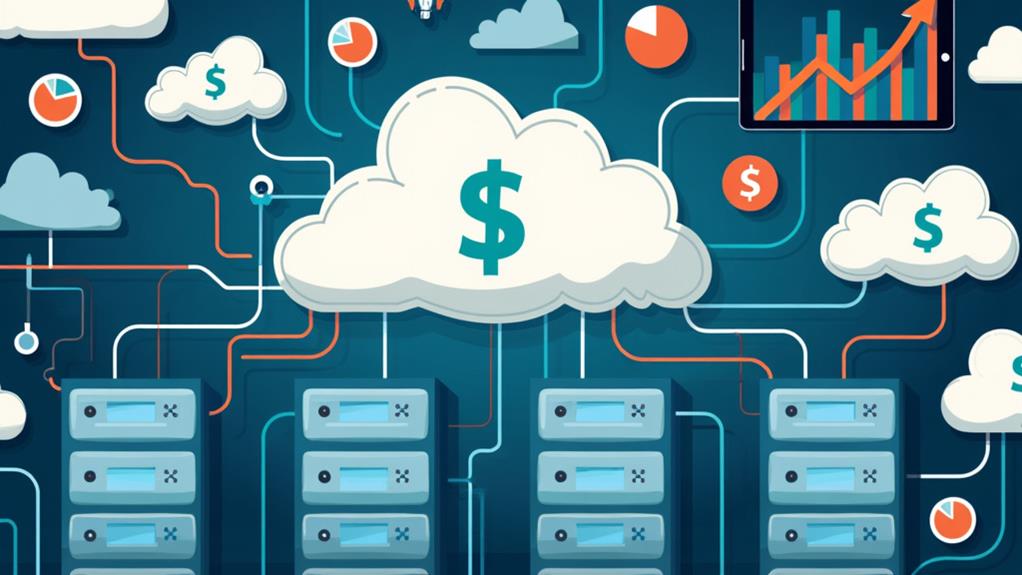
Effective cost management is crucial when navigating the SaaS landscape due to the unexpected expenses that can arise from integration challenges and compatibility issues with existing systems. While SaaS pricing models, often based on monthly subscriptions, might seem cost-effective initially, they can lead to higher long-term costs when factoring in hidden expenses such as extra features and fluctuating licensing fees.
It's easy to underestimate the total cost of using multiple SaaS solutions. Without meticulous cost management, budget overruns are a significant risk, particularly if long-term expenses are not closely monitored. Licensing fees often vary based on user count and the range of features required, leading to potential financial strain.
Regular audits are essential to identify and mitigate unnecessary costs that can stem from add-ons or changes in subscription models. By thoroughly understanding provider offerings and conducting detailed cost-benefit analyses, you can better assess the return on investment (ROI) for your SaaS implementations. This proactive approach will help you navigate the financial complexities of SaaS and maintain control over your budget.
Integration Issues
Managing SaaS applications often involves integration challenges due to non-standardized APIs, complicating real-time data synchronization. This lack of uniformity necessitates additional coding and maintenance, increasing the IT team's workload. Moreover, keeping multiple APIs up-to-date amid rapid SaaS updates strains resources and complicates seamless integration.
API Standardization Challenges
API standardization presents a formidable challenge in the SaaS landscape primarily due to the lack of uniformity among APIs across different applications. This inconsistency complicates integration efforts, compelling organizations to invest significant time and resources in custom coding and ongoing maintenance. The need to constantly adapt systems to accommodate frequent API updates further exacerbates the complexity. Here's why this issue is so significant:
- Fragmented Data Silos: Many SaaS applications function as point solutions, creating isolated data silos that hinder cross-departmental collaboration and seamless data flow.
- Resource Strain: The absence of universal API standards forces IT departments to manage multiple proprietary APIs, stretching their resources thin.
- Performance Bottlenecks: Inefficient API integration often results in delays and data synchronization issues, negatively impacting business operations and user experience.
- Increased Maintenance: Frequent API updates require continual adjustments, adding to the long-term maintenance burden.
These challenges indicate that integrating different SaaS applications isn't just a one-time task but an ongoing challenge. The lack of standardization leads to fragmented systems where seamless data flow is nearly impossible, affecting the ability to make informed decisions quickly. Addressing these issues requires a strategic approach to API management and integration to ensure semantic interoperability and trustworthiness.
Real-time Data Synchronization
Navigating the complexities of real-time data synchronization is essential for maintaining operational efficiency in a SaaS-driven environment. Effective cloud-based services rely on seamless communication and data consistency across diverse SaaS applications and on-premises systems. However, the lack of standardized APIs among these platforms complicates integration, often requiring extensive coding and ongoing maintenance to ensure compatibility.
You may have encountered challenges where different SaaS applications function as isolated solutions, hindering cross-departmental data synchronization. This fragmentation can lead to inconsistencies in customer data and operational inefficiencies, such as data leaks, incorrect invoicing, and disjointed workflows.
Managing real-time data synchronization can also strain your IT department's resources. Handling multiple APIs for various applications complicates the integration process and impacts overall productivity. Your team might spend significant time and effort maintaining these integrations, diverting focus from other critical tasks.
Inadequate real-time data sharing isn't just a technical issue; it can have serious repercussions on your business operations. Ensuring that your cloud-based services can effectively synchronize data in real-time is crucial for preventing these issues and maintaining a streamlined workflow.
User Adoption

User adoption is a critical challenge in the SaaS landscape, with user resistance to change being a primary obstacle. Studies indicate that up to 70% of change initiatives fail due to a lack of user buy-in. Addressing this resistance is crucial, and the first step is comprehensive user education. Research shows that companies investing in training programs experience a 50% increase in engagement and satisfaction with their SaaS solutions.
To enhance user adoption, consider the following strategies:
- Communicate Benefits: Clearly explain how the SaaS solution can enhance workflows and efficiency.
- Invest in Training: Develop thorough training programs to ensure users understand how to make the most of the software.
- Solicit Feedback: Actively gather and respond to user feedback to address concerns and improve adoption rates.
- Provide Ongoing Support: Continuous support helps maintain engagement and can increase retention rates by up to 60%.
Effective communication of benefits is essential, as organizations that communicate changes clearly achieve 94% higher adoption rates. Additionally, ongoing support is vital for ensuring users remain engaged and satisfied, thereby fostering long-term success for your SaaS solution.
Performance and Reliability
Performance and reliability are fundamental to the SaaS model, directly influencing user satisfaction and business continuity. Downtime in SaaS applications can lead to significant disruptions, with costs ranging from $5,600 to $300,000 per hour, depending on the business's size and nature. To mitigate these risks, robust Service Level Agreements (SLAs) are essential. SLAs typically define expected uptime (often 99.9% or higher) and response times for support, which directly impact customer satisfaction.
Scalability issues can occur during peak usage periods, resulting in slower load times and degraded performance. If your SaaS provider cannot manage increased demand effectively, users will notice. Performance monitoring tools are crucial in this context. By tracking key performance indicators (KPIs) like response times and error rates, these tools enable proactive issue resolution before problems escalate.
A lack of clarity in SLA terms can lead to misunderstandings between you and your vendor. Clear documentation and communication regarding performance expectations and penalties for service failures are fundamental. Ensuring these elements helps you better manage performance and reliability challenges in the SaaS model.
Data Migration

Migrating to a SaaS platform involves the complex task of transferring large volumes of data, posing risks of data loss or corruption. Maintaining data integrity throughout this process is crucial, as any discrepancies can disrupt business operations. Additionally, without a well-defined strategy, migration downtime can significantly delay operations and impact overall business objectives.
Complexity of Migration
Migrating data to a SaaS platform is an endeavor fraught with complexities that can significantly impact business operations if not managed correctly. Studies indicate that approximately 60% of organizations encounter data issues during migration, including potential data loss or corruption.
Key challenges include:
- Large Data Volumes: Transferring vast amounts of data requires substantial time and resources, often resulting in downtime and operational disruptions.
- Inadequate Planning: A lack of a clear migration strategy can misalign efforts with business objectives, complicating the transition.
- Compatibility Issues: Legacy systems may not integrate seamlessly with new platforms, causing delays and additional work.
- Increased Costs: The need for specialized tools and consulting services for secure data migration can lead to budget overruns.
Successfully navigating these challenges necessitates meticulous planning and execution. By comprehensively understanding data migration intricacies, you can align efforts with your broader business strategy, ensuring a smoother transition, minimizing disruptions, and protecting your data. Thorough preparation is crucial to mitigating the complexities of migrating to a SaaS platform, ensuring semantic accuracy, completeness, consistency, relevance, and trustworthiness throughout the process.
Ensuring Data Integrity
Addressing the complexities of migration is the initial step; maintaining data integrity throughout this process is equally critical. When transitioning to SaaS solutions, data migration can present numerous challenges, including potential data loss or corruption. Improper data migration practices can compromise up to 30% of your data, according to studies. To mitigate this risk, it is essential to plan meticulously and implement rigorous testing and validation processes.
A significant challenge is the difference in data formats and structures between legacy systems and new SaaS applications. These discrepancies can result in inconsistencies and misalignment with business objectives, causing delays and inefficiencies. In fact, 60% of companies experience project overruns due to inadequate planning.
Maintaining data integrity necessitates close collaboration between your IT teams and SaaS providers. Effective communication and joint planning can substantially reduce migration-related issues. Companies that adopt this collaborative approach see a 40% reduction in such problems. Additionally, rigorous testing and validation are crucial, as 50% of organizations report incomplete data transfers that require additional resources to resolve. By concentrating on these strategies, you can ensure a smoother transition and maintain data integrity throughout the migration process.
Migration Downtime Concerns
Transitioning to SaaS solutions often raises significant concerns about downtime, potentially leading to a 20-30% drop in productivity during the data migration process. The data migration phase is crucial and inherently challenging. Key considerations include:
- Data Integrity Issues: Inadequate planning and execution can result in data loss or corruption, with 60% of organizations encountering data integrity challenges.
- Legacy System Compatibility: Migrating data from older systems can prolong downtime due to compatibility issues and the need for custom solutions.
- Underestimated Timeframes: Many organizations underestimate the time required for data migration, leading to rushed transitions that disrupt operations for weeks or even months.
- Communication and Training: Insufficient communication and training can amplify downtime, causing user confusion and resistance.
These migration downtime concerns can severely impact your operations if not managed effectively. It is essential to thoroughly plan and allocate sufficient time for data migration. Addressing compatibility issues early on and ensuring robust communication and training can mitigate these risks. By doing so, you can navigate the complexities of moving to SaaS more smoothly, ensuring minimal disruption and a quicker return to full productivity.
Compliance and Regulations
Navigating the labyrinth of compliance and regulations poses a significant challenge for SaaS providers. Adherence to laws such as GDPR and HIPAA is non-negotiable, as non-compliance can result in hefty fines, sometimes reaching millions of dollars. Many SaaS applications handle sensitive personal data, necessitating stringent security measures and regular audits to ensure compliance with data protection laws.
Your data handling policies must include user consent protocols and data encryption to meet compliance requirements, thereby mitigating the risks of data breaches. Regular compliance training for employees is also indispensable, as 60% of data breaches are linked to human error. A well-informed workforce is crucial for maintaining compliance and safeguarding data.
The complexity of global regulations means you will often face challenges in adapting your services to meet varying compliance standards across different countries. Localized strategies are essential to navigate these hurdles.
Here's a quick overview:
| Challenge | Impact | Solution |
|---|---|---|
| Compliance with global standards | Substantial fines and legal issues | Localized compliance strategies |
| Data storage and protection | Risk of data breaches | Stringent security measures |
| Employee awareness | Increased vulnerability due to human error | Regular compliance training |
Effectively addressing these challenges is fundamental for your SaaS business to thrive.
Customization and Flexibility

While SaaS solutions offer numerous advantages, customization and flexibility often present significant challenges. Many SaaS applications are designed as standardized solutions, which means they may not perfectly align with your specific business needs. Customization often requires extensive integration work, which can be both time-consuming and costly.
Consider these challenges:
- Integration complexity: Utilizing APIs for customization can help, but the variability in API standards across providers complicates integration efforts.
- Operational inefficiencies: The lack of flexibility in many SaaS platforms can prevent you from tailoring features or workflows, potentially hindering operational efficiency and user satisfaction.
- High demand for adaptability: A study found that 70% of SaaS users need further customization to meet their unique requirements, highlighting the significant demand for more adaptable solutions.
- Vendor lock-in risks: Customizing a SaaS application can create dependencies on specific providers, making it challenging to switch to alternative solutions in the future.
These challenges underscore the importance of carefully evaluating your SaaS options. Scrutinize the level of customization and flexibility offered, along with the integration capabilities of any platform you consider. This proactive approach can help you avoid common pitfalls and better align your SaaS solutions with your business needs.
Vendor Management
Understanding the customization and flexibility challenges of SaaS solutions underscores the importance of robust vendor management. Effective vendor management involves evaluating the reliability and security standards of SaaS providers, ensuring compliance with regulations like GDPR and HIPAA to protect data and adhere to legal standards.
Clear communication with vendors regarding service level agreements (SLAs) is fundamental. This helps avoid misunderstandings and ensures performance metrics align with business objectives. Regular assessments of vendor performance can help identify potential issues such as downtime or lack of support, which can disrupt operations and lead to financial losses.
Establishing strong vendor relationships can facilitate better negotiation of terms and conditions, potentially lowering costs associated with subscription plans and supplementary services. However, be cautious of vendor lock-in, a significant challenge in SaaS, where reliance on a single provider can limit flexibility. To mitigate this, have exit strategies and alternatives in place for future needs.
Related posts