
Top Features to Look for in SaaS Services

When evaluating SaaS services, identifying the right features is crucial for enhancing your organization's efficiency and security. Key considerations include data security, integration capabilities, and user-friendly interfaces, as these can significantly impact your operations.
Subscription-based models offer flexibility, while advanced technologies can further improve the user experience. It's essential to understand how each feature aligns with your specific needs. Critical aspects like scalability, compliance, and customer support could redefine your choice. By focusing on these elements, you can make a more informed decision that best serves your organization.
Core Features of SaaS Applications
SaaS applications are designed with core features such as multi-tenancy, automated provisioning, and robust data security, ensuring they're both efficient and user-friendly.
A key feature is the multi-tenancy model, which allows a single application instance to serve multiple users while keeping their data separate and secure. This not only enhances cost-effectiveness but also promotes scalability by enabling easy resource adjustments based on user demands.
Another essential feature is automated provisioning, which streamlines the onboarding process. Users can gain immediate access to the application without experiencing lengthy setup times, thanks to automated user management. This efficiency also applies to offboarding, making it simple to de-provision users when needed.
Additionally, the subscription-based billing model simplifies access to SaaS applications. Users can select a pricing structure that fits their budget, avoiding the complexities associated with traditional licensing. This flexibility makes advanced software solutions accessible to businesses of all sizes.
Data and Application Security
In today's digital landscape, ensuring the security of data and applications is essential for protecting sensitive information from unauthorized access and corruption. When evaluating SaaS services, prioritize robust security measures to safeguard your data.
Key features to consider include:
- Role-Based Access Controls (RBAC): Restrict access based on user roles to ensure that only authorized personnel can view or manipulate sensitive data.
- End-to-End Encryption (E2EE): Secure your data during transmission, preventing interception and ensuring only intended recipients can access the information.
Regular security audits are also crucial for identifying vulnerabilities and enhancing your security posture. By focusing on these aspects, you can protect against potential threats and maintain the integrity of your data in the cloud. Prioritize these features to effectively safeguard your sensitive information.
Performance Management Capabilities
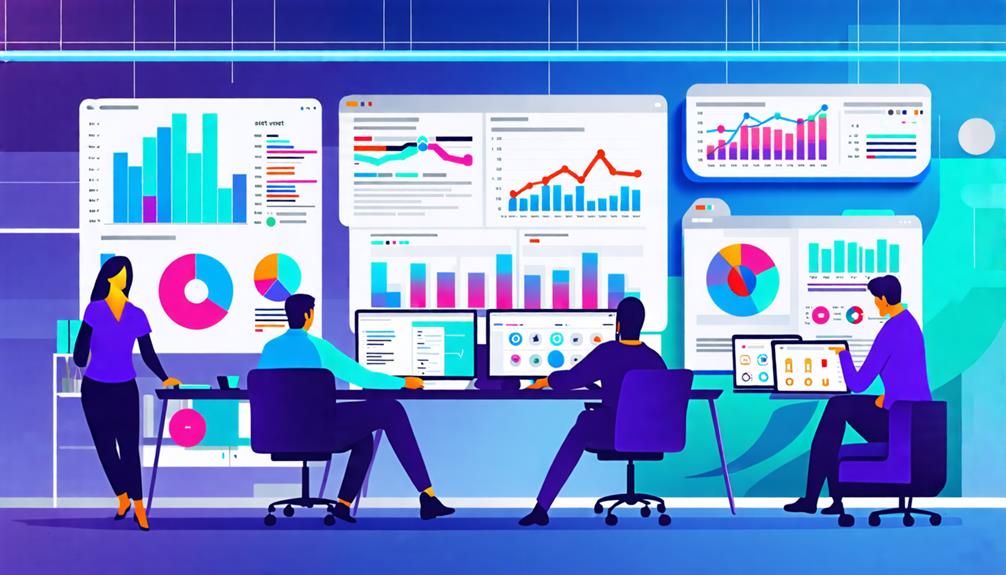
In the realm of performance management for SaaS, the benefits of elastic infrastructure and advanced monitoring tools are significant. These capabilities ensure that your applications run efficiently by dynamically adjusting resources based on real-time demand. Additionally, integrated analytics allow you to monitor performance metrics comprehensively, enabling data-driven decisions to enhance the user experience.
Elastic Infrastructure Adaptability
Elastic infrastructure enables applications to dynamically allocate resources, ensuring they maintain peak performance even during peak usage times. This capability is crucial for performance management, as it ensures high availability and responsive service for users, regardless of demand fluctuations. By automatically scaling resources, your SaaS application can seamlessly adapt to varying workloads, optimizing both operational costs and efficiency.
Key benefits of elastic infrastructure adaptability include:
- Dynamic Resource Allocation: Adjusts resources in real-time to match current usage, minimizing waste and maximizing performance.
- High Availability: Ensures your application can handle user requests around the clock, providing uninterrupted service across different time zones.
These features ensure that your SaaS solution delivers consistent performance. Continuous health monitoring further enhances reliability, allowing you to address any performance issues promptly. In today's fast-paced technological environment, choosing a SaaS service with elastic infrastructure adaptability is essential for meeting user expectations and driving satisfaction.
Monitoring and Analytics Tools
Monitoring and analytics tools are essential for ensuring your SaaS application runs efficiently by offering real-time insights into performance and potential issues. These tools facilitate continuous performance management, enabling the identification and resolution of problems before they escalate. High-quality SaaS services provide comprehensive management and monitoring APIs that collect critical performance metrics, supporting data-driven decisions for optimizing resource allocation.
Additional features such as rate limiting and Quality of Service (QoS) prioritize crucial user tasks, maintaining consistent performance even during peak usage periods. Audit logs generated by these tools ensure transparency and accountability in business transactions, which are vital for security and compliance. To enhance security, many monitoring tools integrate robust session management and multi-factor authentication, protecting against unauthorized access and ensuring data integrity.
Cloud Management Solutions
Automated billing processes in cloud management can save time and reduce errors. Cost management tools allow you to track expenses and optimize your budget efficiently. Integration capabilities ensure that your cloud solutions work seamlessly with existing systems, enhancing overall operational efficiency.
Automated Billing Processes
Automated billing processes in cloud management solutions reduce manual errors and enhance transparency, making invoicing more seamless for both you and your customers. This efficiency allows you to focus on strategic activities while ensuring accurate and timely billing.
Key Benefits of Automated Billing Processes:
- Flexible Subscription-Based Billing: Easily adapt pricing models to meet evolving customer needs, boosting satisfaction and retention.
- Reduced Administrative Overhead: Automation frees up resources, enabling your team to focus on growth and innovation.
Regular updates to cloud billing management tools improve functionality and security, ensuring compliance with financial regulations and maintaining control over billing processes. Leveraging automated billing processes within cloud management solutions not only optimizes operations but also creates a transparent and reliable invoicing experience for your customers.
Cost Management Tools
Effective cost management tools in cloud management solutions empower you to analyze and optimize your cloud spending across various providers. By integrating these tools, you can easily compare costs associated with different cloud services offered by multiple SaaS providers. This comparison enables informed financial decisions, enhancing your overall budget management.
A standout feature of modern cost management tools is their ability to automate billing processes. This automation reduces manual errors, increases transparency, and simplifies the billing experience for your organization. As you navigate subscription-based billing models, these tools offer the flexibility needed to manage costs effectively while scaling your SaaS usage according to your business requirements.
Additionally, regular updates and improvements to cloud billing management solutions ensure that your tools remain functional and secure, helping you stay competitive in a rapidly evolving market. With automated provisioning and de-provisioning features, you can streamline user onboarding and offboarding, further contributing to efficient cost management.
Integration Capabilities
Integration capabilities in cloud management solutions are essential for ensuring seamless interactions between systems, enhancing data flow, and minimizing manual entry errors. When selecting a SaaS service, it's important to assess its ability to integrate with your existing tools and platforms. Effective integration features can significantly boost your operational efficiency.
Consider the following factors to evaluate integration capabilities:
- API Access: Prioritize services that offer robust API access, facilitating smooth integration with third-party applications and extending functionality.
- Compatibility: Ensure the solution is compatible with widely-used software such as CRM and ERP systems to streamline operations and improve data management.
Additional Services and Enhancements

Jamcracker's additional services and enhancements are meticulously designed to elevate your cloud experience, offering tools and support that streamline operations and boost performance. Their SaaS solutions feature essential components such as SD-WAN services, enhancing network performance and reliability to ensure seamless integration with your existing infrastructure. This results in reduced latency and an improved user experience.
The Jamcracker Cloud Management Platform is continuously updated, integrating a DevOps framework to streamline development processes. The migration planner facilitates smooth transitions, while the cloud cost comparator tool assists in making cost-effective decisions. Additionally, the Cloud Analytics Dashboard enhances data visualization, offering multi-dimensional views and real-time analytics for informed decision-making.
Jamcracker also provides enhanced support services to ensure ongoing technical assistance, enabling effective integration and utilization of all SaaS platform features. Their marketplace discounts offer competitive pricing strategies, aiding in customer acquisition and retention. These combined features enhance your customer support experience, making it easier to manage your cloud operations efficiently.
User Experience and Collaboration
The effectiveness of user experience and collaboration features in SaaS solutions significantly impacts team productivity and satisfaction. To ensure your teams can work efficiently, consider the following aspects when selecting SaaS services:
- User-friendly interfaces: Intuitive designs facilitate quick adoption, enhancing productivity and user satisfaction.
- Seamless collaboration features: Real-time file sharing and integrated communication channels keep teams aligned and enhance inter-departmental collaboration.
Moreover, robust integration capabilities with existing tools can streamline workflows by reducing manual data entry and simplifying processes. This allows your team to focus on their core tasks rather than navigating between multiple platforms.
Continuous feedback loops are essential for refining user experiences, ensuring the software evolves to meet actual user needs. By prioritizing these features, you create an environment where collaboration thrives and productivity soars.
Integration With Other Technologies

Seamless integration with existing technologies can significantly enhance your SaaS experience, optimizing workflows and reducing errors. Effective integration capabilities can greatly improve your operations. Seek solutions that offer robust API connectivity to effortlessly link various software applications.
Additionally, integrating with IoT devices enables real-time data collection and analysis, providing deeper insights into your operations. This capability is crucial for making quick, informed decisions. Furthermore, consider platforms that leverage machine learning to enhance analytics, offering data-driven insights to maintain competitive advantage.
To illustrate the benefits, here is a comparison of key integration features:
| Feature | Benefits |
|---|---|
| API Connectivity | Streamlines processes, reduces errors |
| Integration with IoT Devices | Real-time data collection and insights |
| Machine Learning Capabilities | Enhanced analytics and decision-making |
Choosing a SaaS service that prioritizes these integrations will enhance efficiency and empower your team to work smarter. Never underestimate the power of a well-integrated solution!
Subscription-Based Revenue Models
Subscription-based revenue models offer predictable financial benefits for both providers and customers, creating a win-win situation. These models provide stable revenue streams for SaaS providers while making services more accessible to users.
Key advantages include:
- Lower initial costs: Minimal upfront investment makes SaaS solutions more accessible.
- Ongoing support: Continuous updates and assistance ensure your software remains effective and relevant.
These features enhance customer satisfaction and encourage retention. If your needs change, you can easily adjust your subscription without the complexities of traditional software licensing. Recurring revenue models also incentivize ongoing improvements, ensuring consistent value from your subscription. Leveraging these aspects positions your business for long-term success and stability.
Future Innovations in SaaS

Future innovations in SaaS are poised to revolutionize business operations by leveraging advancements in AI and machine learning to enhance efficiency and personalization. As these technologies progress, SaaS applications will increasingly automate routine tasks, enabling your team to concentrate on strategic initiatives.
Predictive analytics will become integral to SaaS services, allowing you to forecast trends and make data-driven decisions based on real-time insights. This capability will better equip you to adapt to market changes and evolving customer needs.
User interface design is also expected to advance significantly, prioritizing accessibility and user engagement. You'll experience more intuitive and user-friendly interfaces across various SaaS platforms, simplifying navigation and tool utilization.
The integration of emerging technologies like the Internet of Things (IoT) will enhance data collection and interoperability, further extending the capabilities and utility of SaaS applications. Additionally, with an increasing focus on sustainability, many SaaS providers are adopting eco-friendly practices, making them responsible choices for environmentally conscious businesses.
Embracing these innovations will position you favorably in the competitive landscape.
Conclusion
When selecting a SaaS service, focus on critical features such as security, performance management, and user experience. Prioritize multi-tenancy, automated provisioning, and flexible billing models to ensure cost-effectiveness and efficiency.
Seamless integration capabilities and the inclusion of advanced technologies like AI are also essential. By considering these factors, you'll enhance your operational capabilities and position your organization for future growth and innovation in the evolving SaaS landscape.
Related posts