
Payment Disputes and Fraud Prevention: How Modern Systems Protect Digital Transactions
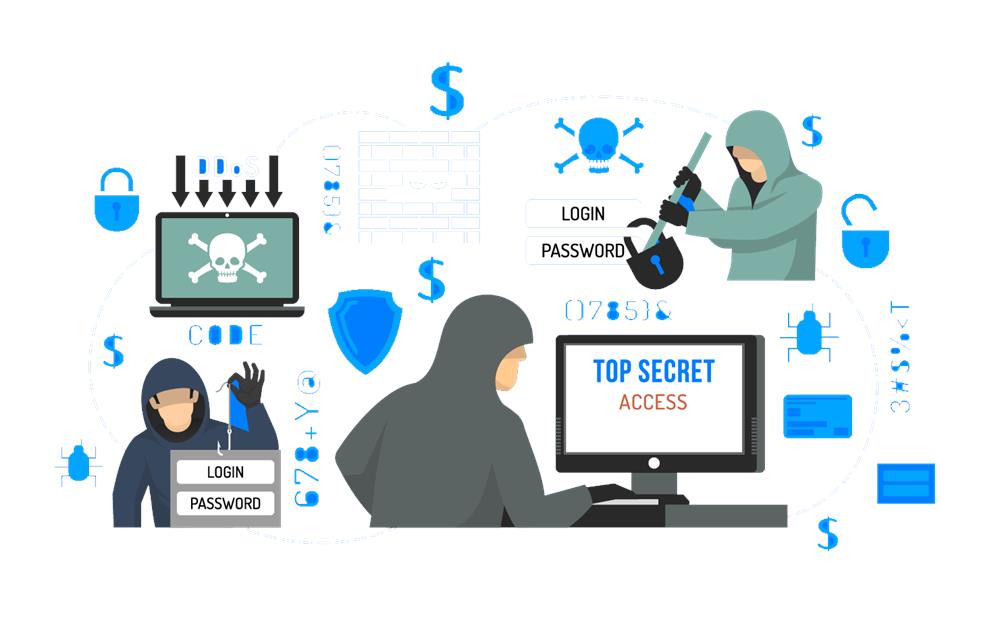
As digital commerce continues to expand, so does the complexity of managing payments securely. Businesses today process transactions across multiple platforms, currencies, and customer touchpoints. While this creates opportunities for growth, it also introduces new risks—particularly in the form of fraud and payment disputes.
For eCommerce and SaaS companies, understanding how disputes arise and how fraud prevention systems work is essential. Without the right tools and strategies, even a small increase in disputes can disrupt operations, increase costs, and damage customer trust.
What Are Payment Disputes and Why Do They Happen?
A payment dispute occurs when a customer questions or challenges a transaction, often resulting in a chargeback. While disputes are designed to protect consumers, they can create significant challenges for businesses.
Disputes arise for various reasons, including unauthorized transactions, unclear billing descriptors, or dissatisfaction with a product or service. In many cases, the issue is not fraud but confusion—highlighting the importance of transparency in payment systems.
Friendly Fraud
This occurs when customers dispute legitimate transactions, often due to misunderstanding or forgotten purchases.
True Fraud
Unauthorized transactions made using stolen card information fall into this category and require immediate attention.
Processing Errors
Technical issues or duplicate charges can also lead to disputes if not addressed quickly.
The Growing Complexity of Payment Systems
Modern payment systems are far more sophisticated than traditional card processing models. They involve multiple layers of verification, authentication, and compliance checks designed to protect both businesses and consumers.
As highlighted in this report on evolving credit card systems, payment processes are becoming increasingly complex, with added security measures and authentication steps shaping the future of transactions.
How Fraud Detection Systems Work
Fraud detection systems rely on a combination of data analysis, machine learning, and real-time monitoring to identify suspicious activity. These systems evaluate transactions based on various factors, including location, device, spending patterns, and transaction history.
Real-Time Monitoring
Transactions are analyzed instantly to detect unusual behavior, allowing businesses to block or flag suspicious activity before it is completed.
Behavioral Analysis
Machine learning models track customer behavior over time, helping to identify anomalies that may indicate fraud.
Risk Scoring
Each transaction is assigned a risk score, enabling businesses to make informed decisions about whether to approve or decline it.
The Role of Alerts and Dispute Management Tools
Preventing disputes is not just about identifying fraud—it's also about responding quickly when issues arise. Alert systems notify businesses of potential disputes before they escalate into chargebacks, giving them an opportunity to resolve the issue directly with the customer.
These systems can significantly reduce chargeback rates by enabling faster communication and resolution. For businesses handling high transaction volumes, having access to tools for managing payment disputes and fraud alerts can streamline operations and improve outcomes.
To better understand how these systems function in practice, this resource on tools for managing payment disputes and fraud alerts provides insight into how different alert networks and dispute resolution tools operate.
Why Chargeback Prevention Matters
Chargebacks are more than just reversed transactions—they carry additional costs, including fees, administrative overhead, and potential penalties from payment processors. High chargeback rates can also lead to account restrictions or termination.
For businesses operating in competitive markets, maintaining a low dispute rate is essential for long-term sustainability. This requires a proactive approach that combines technology, communication, and process optimization.
Financial Impact
Each chargeback can cost significantly more than the original transaction due to fees and lost revenue.
Operational Strain
Managing disputes requires time and resources, diverting attention from core business activities.
Reputation Risk
Frequent disputes can damage relationships with payment providers and customers alike.
Best Practices for Reducing Payment Disputes
Reducing disputes requires a combination of clear communication, strong security measures, and efficient processes.
Clear Billing Descriptors
Ensure that customers can easily recognize transactions on their statements to avoid confusion.
Transparent Policies
Clearly communicate refund, return, and cancellation policies to set expectations.
Responsive Customer Support
Providing quick and effective support can resolve issues before they escalate into disputes.
The Intersection of SaaS and Payment Optimization
For SaaS platforms and delivery-based services, payment systems play a critical role in operational efficiency. Optimized payment solutions can improve not only transaction processing but also customer experience and retention.
Insights from this overview of payment optimization highlight how streamlined payment processes can enhance service delivery and reduce friction across the customer journey.
Future Trends in Fraud Prevention and Dispute Management
As payment systems evolve, so too will the tools used to manage risk. Artificial intelligence, biometric authentication, and real-time data sharing are expected to play a larger role in fraud prevention.
Businesses that invest in these technologies will be better equipped to handle the growing complexity of digital transactions while maintaining a seamless customer experience.
Conclusion
Payment disputes and fraud are inevitable challenges in the digital economy, but they can be effectively managed with the right strategies and tools. By understanding how disputes arise and leveraging modern fraud prevention systems, businesses can reduce risk and improve operational efficiency.
As the payments landscape continues to evolve, staying informed and proactive will be essential. Businesses that prioritize transparency, security, and customer experience will be better positioned to thrive in an increasingly complex financial environment.