How SaaS Companies Protect Your Information

When you use SaaS platforms, you might wonder how your data stays secure amid growing cyber threats. SaaS companies employ advanced encryption to protect information whether it's stored, in transit, or being processed. They also have robust backup and recovery systems, ensuring your data's integrity and availability even in disaster scenarios. But encryption and backups are just the basics. To understand how these companies maintain stringent security, let's delve into their proactive measures such as continuous monitoring, access control, and incident response strategies. Curious about the next steps they take to safeguard your information?
Key Takeaways
How SaaS Companies Protect Your Information
- Encryption: Data is encrypted at rest, in transit, and during use to ensure only authorized access.
- Data Redundancy and Backups: Regular automated backups and data redundancy across multiple locations enhance disaster recovery and data safety.
- Threat Detection: Intrusion detection systems and anomaly detection tools provide real-time monitoring and response to security threats.
- Access Controls: Role-based access control, strong password policies, and multi-factor authentication restrict unauthorized access.
- Employee Training: Comprehensive cybersecurity training programs for employees help prevent data breaches and ensure regulatory compliance.
Data Encryption
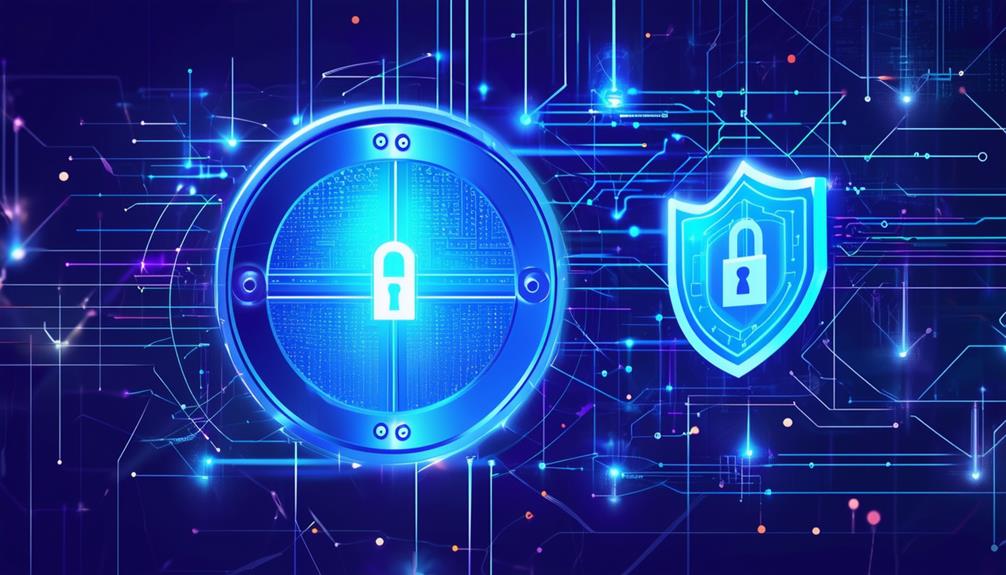
Data encryption ensures that sensitive information in SaaS applications remains secure and accessible only to authorized users. By converting data into an encrypted format, SaaS companies protect it from unauthorized access. Robust encryption algorithms safeguard data at rest, during transmission, and while in use within SaaS applications. This ensures comprehensive protection whether data is stored, transmitted, or actively used.
Effective encryption key management is crucial for maintaining data security in SaaS environments. Proper key management practices ensure that only authorized users have access to decryption keys, which are essential for decrypting protected information. This not only keeps sensitive information secure but also helps SaaS providers comply with various data protection regulations.
Backup and Recovery
While encryption safeguards your data, SaaS companies also protect it through robust backup and recovery procedures. They implement regular, automated backup processes to ensure your data is consistently safe and recoverable. These automated solutions save time and ensure data integrity by creating consistent, error-free backups without manual intervention.
Data redundancy is another critical aspect of these procedures. SaaS providers store backup copies in multiple geographical locations to enhance disaster recovery capabilities. This distribution ensures that even if one location experiences an issue, your data remains secure and accessible from another site.
Effective backup and recovery strategies are vital components of SaaS companies' data protection measures. They play a crucial role in safeguarding customer information, ensuring it can be quickly restored when needed. With these measures in place, you can trust that your data is well-protected against unforeseen events and disruptions.
Intrusion Detection

SaaS companies rely on intrusion detection systems to monitor threats in real-time. These systems swiftly identify anomalies in network traffic and alert security teams to potential issues. By continuously analyzing data, they ensure that any suspicious activity is promptly addressed, enhancing the overall security posture.
Real-Time Threat Monitoring
SaaS companies employ real-time threat monitoring tools to promptly detect and respond to potential security breaches. These tools utilize advanced intrusion detection systems to analyze network traffic patterns, identify suspicious activities, and detect unauthorized access attempts. Continuous monitoring allows these companies to remain vigilant against evolving cybersecurity threats, ensuring that user data remains protected.
Intrusion detection technology is fundamental to maintaining the integrity and security of SaaS platforms. By leveraging sophisticated threat detection tools, these companies can identify potential risks and take swift actions to mitigate them. This proactive approach is essential for safeguarding sensitive information stored in SaaS applications.
Key Aspects of Real-Time Threat Monitoring
| Aspect | Description |
|---|---|
| Real-Time Monitoring | Tools that detect and respond to security breaches instantly. |
| Intrusion Detection | Systems that analyze network traffic patterns to identify suspicious activities. |
| Cybersecurity Vigilance | Continuous monitoring to guard against evolving threats. |
| Swift Response | Immediate actions taken to mitigate risks and protect sensitive information. |
This comprehensive approach ensures that SaaS companies can effectively protect their platforms and user data from potential security threats.
Anomaly Detection Systems
Anomaly detection systems are integral to monitoring user behavior and identifying unusual patterns indicative of potential security threats. SaaS companies depend on these systems to safeguard data by continuously analyzing large volumes of information. Employing advanced machine learning algorithms, these systems can detect deviations from standard user activities and flag suspicious actions in real-time.
Here's how these systems enhance data protection:
- Preventing security breaches: Detecting and addressing threats before they can escalate.
- Identifying unauthorized access: Detecting attempts by unauthorized users to access sensitive information.
- Continuous user behavior monitoring: Maintaining vigilant oversight against potential cyber threats.
- Proactively addressing issues: Swiftly handling security incidents to minimize impacts.
The primary objective of anomaly detection systems is to fortify the security stance of SaaS companies. By identifying irregular behavior patterns, these systems help prevent security breaches and unauthorized access to sensitive data. This proactive approach enables SaaS companies to react swiftly to any suspicious activities, ensuring data protection.
With these systems in place, you can be confident that SaaS companies are implementing robust data protection measures. They continuously monitor for anomalies that could signal security threats, ensuring your information remains secure.
Access Control
Access control ensures that only authorized users can access sensitive information, safeguarding your data through robust role-based management and stringent authentication protocols. SaaS platforms utilize role-based access management to restrict access, ensuring unauthorized users can't reach sensitive data. By assigning user permissions based on roles, these platforms enhance data security and operational efficiency.
To further protect your information, SaaS companies enforce strong password policies and multi-factor authentication. These measures significantly reduce the risk of unauthorized access, adding an extra layer of security.
Regular access control audits are crucial for maintaining data protection. These audits ensure that access controls are functioning correctly and that all user permissions align with current roles and responsibilities. Additionally, SaaS platforms must comply with various data protection regulations, making robust access control mechanisms not just a best practice but a legal requirement.
Here's a snapshot of common access control practices:
| Access Control Measure | Purpose | Benefit |
|---|---|---|
| Role-based access management | Restricts access based on roles | Prevents unauthorized access |
| Strong password policies | Enforces complex password creation | Enhances data security |
| Multi-factor authentication | Requires multiple verification steps | Provides an extra security layer |
Effective access control keeps your data safe and compliant with regulations, ensuring only those who should access your information can do so.
Employee Training
To further strengthen data security, companies prioritize thorough employee training to ensure staff are well-versed in cybersecurity best practices. By investing in comprehensive employee cybersecurity training, SaaS companies safeguard sensitive customer data and adopt a proactive approach to preventing data breaches.
These training programs cover key areas:
- Cyber Threat Recognition: Employees learn to identify potential cyber threats and take swift action to mitigate them.
- Robust Password Policies: Emphasis is placed on creating and maintaining strong passwords, along with implementing multi-factor authentication techniques.
- Data Handling Procedures: Staff are educated on the correct methods for processing and storing data to prevent unauthorized access.
- Regulatory Compliance: Employees are kept up-to-date on the latest regulations and standards to ensure the company remains compliant.
Regular training sessions help employees stay informed about the latest security best practices and incident response protocols. This ongoing education reduces the risk of data breaches and fosters a culture of proactive data protection.
Moreover, SaaS companies recognize that well-trained employees are crucial for swiftly identifying and addressing cyber threats. By fostering a vigilant workforce, these companies significantly enhance their defenses against potential security breaches, thereby ensuring the protection of sensitive customer data.
Incident Response
When a security incident occurs, SaaS companies promptly assess the threat to determine its scope and impact. This critical evaluation is essential for containing and mitigating the issue effectively. Subsequently, they conduct a comprehensive post-incident analysis to document lessons learned and enhance future response strategies.
Immediate Threat Assessment
In the realm of SaaS data security, rapid threat assessment is essential for mitigating the impact of security incidents. When a security breach occurs, an effective incident response plan is crucial for quickly identifying and evaluating the threat to customer data. This immediate assessment enables security teams to act swiftly and decisively, minimizing potential damage.
A rapid response is critical for several reasons:
- Identifying the Breach: Quickly confirming a security incident helps in understanding its scope and origin.
- Containing the Threat: Immediate measures can prevent the breach from spreading to other systems.
- Protecting Customer Data: Swift actions safeguard sensitive information from being compromised.
- Reducing Downtime: Faster resolution means less disruption to services.
Effective threat assessment relies on well-trained incident response teams prepared to handle security breaches. These teams follow predefined incident response plans, ensuring that every action aligns with best practices for SaaS data security. By doing so, they can mitigate the impact of security incidents and efficiently protect customer data. The ability of your SaaS provider to perform rapid threat assessments is crucial for maintaining the integrity and trustworthiness of their service.
Post-Incident Analysis
Post-incident analysis is crucial for identifying security vulnerabilities and refining response strategies to mitigate future risks. Incident response teams conduct thorough investigations into the root causes of security breaches, aiming to prevent recurrence and enhance the overall security posture of the company.
This analysis also illuminates the impact of security breaches on customer data and business operations. A detailed examination is essential for assessing risk mitigation and strengthening incident response plans. By learning from each incident, SaaS companies can continuously refine their security protocols, ensuring better protection for sensitive information.
The following table outlines key components of post-incident analysis:
| Key Component | Description | Outcome |
|---|---|---|
| Root Cause Analysis | Identifying the underlying reasons for security breaches | Prevent future occurrences |
| Customer Data Impact | Evaluating how breaches affect customer data | Address customer concerns |
| Vulnerability Review | Pinpointing weaknesses in security systems | Improve security posture |
| Response Strategies | Refining methods to handle future incidents | Mitigate risks effectively |
Regulatory Compliance

SaaS companies prioritize regulatory compliance to ensure that your data is protected and handled according to stringent legal standards. Adhering to data protection laws such as GDPR and HIPAA ensures that customer information is managed securely and meets all legal requirements. These regulations guide companies in implementing secure data handling practices to safeguard your sensitive information.
Non-compliance with these regulations can result in hefty fines and significant reputational damage. Consequently, SaaS companies invest heavily in robust compliance measures to protect user data and maintain your trust. Key strategies include:
- Regular Audits: Conducting frequent audits to ensure adherence to all relevant data protection laws.
- Employee Training: Providing ongoing training for employees on data protection and secure data handling.
- Data Encryption: Using advanced encryption techniques to protect sensitive information from unauthorized access.
- Compliance Certifications: Obtaining certifications that demonstrate adherence to GDPR, HIPAA, and other legal requirements.
These measures collectively ensure that SaaS companies remain compliant, secure, and trustworthy.
Security Assessments
Regular security assessments are crucial for identifying and addressing vulnerabilities in SaaS platforms. These evaluations involve systematic audits to uncover potential risks, enabling SaaS companies to implement measures that enhance data protection and safeguard customer information.
Beyond identifying weaknesses, security assessments ensure compliance with industry standards and regulations. Adhering to these standards not only fulfills legal and regulatory requirements but also builds customer trust by demonstrating a commitment to data protection and privacy.
Moreover, security assessments allow SaaS companies to proactively mitigate potential threats. Continuous monitoring and evaluation help address vulnerabilities before they escalate into significant issues, maintaining a secure environment for data storage, processing, and transmission.
Conclusion
SaaS companies employ rigorous measures to protect your information, including advanced encryption, secure backups, and robust intrusion detection systems. Access controls and regular employee training ensure that only authorized personnel can access sensitive data. They also maintain quick incident response protocols and adhere to strict regulatory compliance standards. By continuously assessing and enhancing their security measures, SaaS companies ensure your data remains secure and trustworthy.
Related posts