How Automotive Dealerships Can Boost Customer Retention with Loyalty Programs in 2025
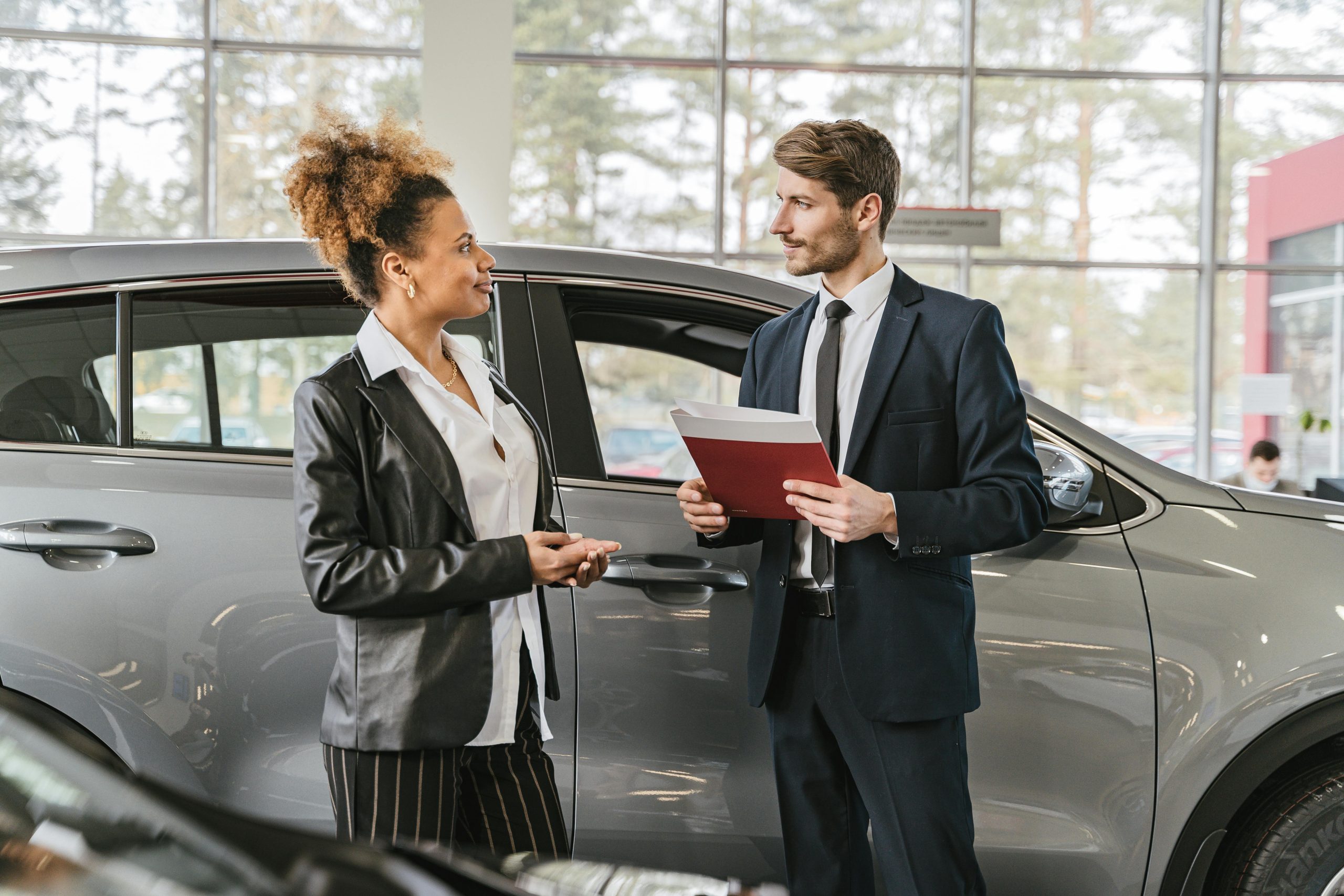
As competition in the automotive industry intensifies, customer retention has become just as critical as customer acquisition. In 2025, forward-thinking dealerships recognize that cultivating lasting relationships with existing customers through strategic loyalty programs is essential for sustained success. Loyalty programs not only enhance repeat business and customer satisfaction but also encourage valuable word-of-mouth referrals, creating a robust ecosystem for growth.
In this comprehensive guide, we explore how dealerships can effectively implement loyalty programs to drive long-term customer retention, engagement, and profitability in the increasingly competitive automotive market.
Why Customer Loyalty Programs Matter in the Automotive Industry
Automotive purchases and servicing represent significant financial commitments for consumers. Building lasting customer loyalty through targeted programs offers substantial advantages:
- Increased Repeat Business: Loyal customers tend to purchase more vehicles and frequently utilize dealership services.
- Higher Customer Lifetime Value: Retaining customers reduces marketing costs associated with new customer acquisition, significantly increasing profitability.
- Enhanced Customer Satisfaction: Loyalty programs create a positive customer experience, increasing overall satisfaction and fostering stronger customer-dealership relationships.
- Positive Word-of-Mouth: Satisfied, loyal customers often become advocates, promoting your dealership to their personal networks.
Types of Loyalty Programs Ideal for Automotive Dealerships
Dealerships have numerous loyalty program options to engage and retain customers effectively. Here are several effective formats specifically tailored to automotive businesses:
1. Points-Based Rewards Programs
Points-based systems award customers points for specific actions such as vehicle purchases, service appointments, or referrals. Points accumulate toward tangible benefits:
- Discounted maintenance or vehicle servicing.
- Merchandise or accessory redemption.
- Exclusive event access.
Example: Customers might earn points for every dollar spent on service, redeemable for discounts on future visits or accessories.
2. Tiered Loyalty Programs
Tiered programs incentivize ongoing customer engagement by providing greater benefits and exclusivity at higher loyalty levels. Customers advance tiers through increased interactions and spend:
- Bronze Tier: Basic service discounts, birthday rewards.
- Silver Tier: Increased service discounts, priority service appointments.
- Gold Tier: Maximum discounts, VIP test-drive invitations, personalized dealership experiences.
This encourages ongoing engagement and increased customer spend to reach higher loyalty tiers.
3. Membership or Subscription Programs
Membership programs offer ongoing value through monthly or annual subscriptions, providing exclusive benefits such as discounted services, vehicle detailing, free tire rotations, or preferred scheduling.
4. Referral Reward Programs
Referral programs encourage existing customers to promote your dealership actively to their personal networks. Customers earn rewards—such as cash incentives, discounts, or dealership credits—when referrals result in vehicle purchases or services.
5. Personalized Anniversary and Birthday Rewards
Offering personalized rewards on customers’ birthdays or vehicle purchase anniversaries enhances emotional connections and builds deeper customer relationships.
Example: Providing customers with a complimentary vehicle detail or oil change on their car’s purchase anniversary.
Proven Strategies to Enhance the Effectiveness of Dealership Loyalty Programs
To maximize the success of loyalty programs, dealerships should consider these best practices:
Personalization is Key
Use customer data to personalize loyalty program communications, offers, and rewards. Tailored experiences based on vehicle preferences, service history, or individual interests resonate strongly, driving higher engagement and satisfaction.
Clear and Simple Structure
Ensure loyalty program rules, points systems, and reward redemption processes are straightforward and easily understandable to encourage customer participation.
Continuous Customer Communication
Regularly communicate loyalty program benefits, point balances, upcoming rewards, and exclusive offers through email, SMS, and social media to maintain ongoing engagement and excitement.
Promote Programs Actively Across Channels
Maximize participation by consistently promoting your loyalty program across your website, social media, dealership signage, service departments, and sales teams.
Incorporate Technology and Mobile Apps
Leverage mobile apps and digital loyalty cards to streamline the user experience, providing customers easy access to their points balances, available rewards, and personalized offers.
Integrating Loyalty Programs with Overall Dealership Strategy
For optimal effectiveness, integrate loyalty programs seamlessly with broader dealership marketing and sales strategies:
- Cross-Promotion: Align loyalty program offers with current dealership promotions, encouraging increased participation.
- CRM Integration: Use dealership CRM platforms to track and analyze loyalty program data, optimizing customer engagement strategies.
- Staff Training: Ensure dealership teams fully understand the loyalty program’s structure and benefits, effectively promoting enrollment and customer participation.
Partnering with automotive marketing experts like DealerSmart can significantly enhance dealership efforts, providing robust digital marketing solutions integrated with loyalty strategies for maximum impact.
Measuring Loyalty Program Success
Monitor key metrics to track and continually refine your loyalty program performance:
- Customer Retention Rates: Measure changes in retention rates following loyalty program implementation.
- Repeat Purchase Frequency: Evaluate how often loyalty program members purchase compared to non-members.
- Lifetime Customer Value: Analyze the long-term profitability and spending patterns of enrolled customers.
- Customer Satisfaction Scores: Track improvements in customer satisfaction and net promoter scores (NPS) related to loyalty program participation.
Real-World Example: Successful Automotive Loyalty Program Implementation
A regional dealership recently launched a comprehensive loyalty program, including points-based rewards, exclusive VIP events, and referral incentives. Within one year, the dealership achieved:
- A 30% increase in customer retention rates
- A significant rise in repeat vehicle purchases and service visits.
- Improved overall customer satisfaction and positive online reviews, generating increased word-of-mouth referrals.
This example demonstrates how thoughtfully implemented loyalty programs substantially impact dealership performance and customer relationships.
Steps for Implementing an Effective Loyalty Program in Your Dealership
- Define Clear Objectives: Identify primary goals—whether boosting customer retention, increasing service revenue, or improving brand reputation.
- Choose the Right Program Type: Select loyalty program structures best aligned with dealership objectives and customer preferences.
- Communicate Effectively: Develop clear, attractive communications promoting program enrollment, benefits, and rewards.
- Leverage Data for Personalization: Use existing customer data to provide highly personalized program experiences and offers.
- Continuously Monitor and Refine: Regularly review performance data, adapting the program to maintain effectiveness and customer engagement.
Conclusion: Strengthening Customer Relationships Through Loyalty Programs
As automotive dealerships navigate the competitive marketplace of 2025, loyalty programs are indispensable tools for driving customer retention, satisfaction, and dealership profitability. By strategically implementing personalized, engaging loyalty programs, dealerships can deepen customer connections, inspire greater brand advocacy, and secure sustained growth and success.
Dealerships investing proactively in loyalty programs today will not only enhance their short-term performance but also establish themselves as trusted, customer-centric brands positioned for long-term prosperity in the evolving automotive industry landscape.
Related posts