How AI and ChatGPT Are Changing Video Editing
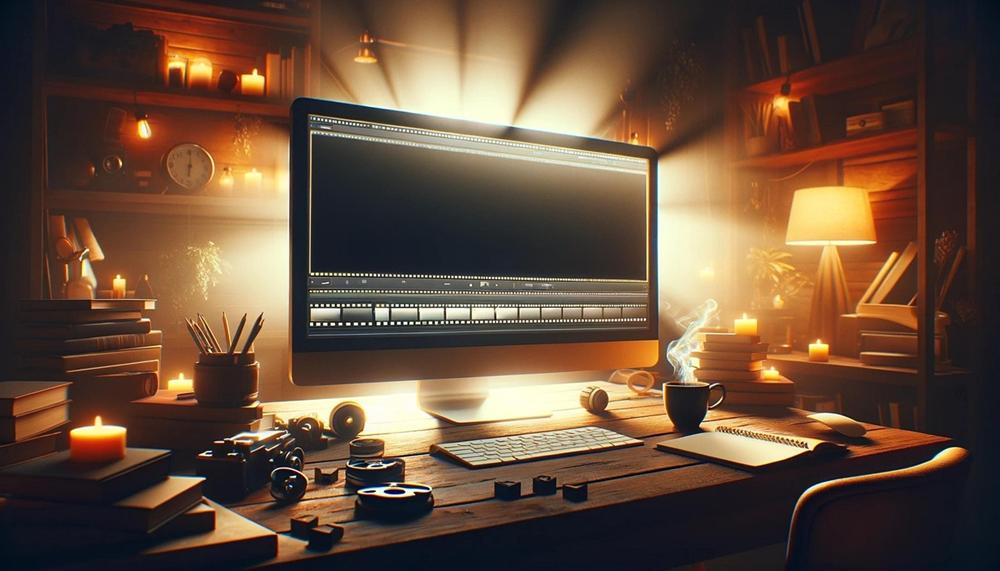
With the help of AI, video editing is becoming more accessible, automated, and quicker, which is revolutionizing the industry. With conversational tools, intelligent recommendations, and generative features, producers can spend less effort turning their ideas into finished movies instead of managing every cut manually.
From Manual Editing to Prompt-Based Workflows
Clip trimming, transition tweaking, captioning, and media search are commonplace tasks in traditional video editing. AI-assisted workflows can automate repetitive production tasks, interpret instructions, and suggest adjustments to reduce effort.
An AI video editor with ChatGPT can help a creator with scene planning, caption refinement, content restructuring, and translating textual directions into editing actions based on the intended style, pace, or structure.
How ChatGPT Can Support Video Creation
ChatGPT can help at several points in the video production process. It can help generate ideas, create outlines, improve screenplays, suggest titles, and arrange scenes in a logical order before editing starts.
Conversational AI may also help producers rewrite captions, streamline scripts, adjust tone, come up with new hooks, or condense lengthy content into more manageable social media posts. As a result, you may spend less time juggling different activities like coming up with ideas, writing, and editing.
Faster Planning and Revisions
When making a film, one of the most tedious steps is usually going through revisions. By assisting with experiments with new introductions, section reorganizations, call-to-action refinements, or audience adaptations, AI may make these processes more efficient for designers.
Businesses that often create video material, marketing teams, instructors, and social media makers may all benefit from this method.
Where Human Judgment Still Matters
While AI can automate a wide range of mundane and technical jobs, it will never fully replace human editors. Even if the technical aspects of a video are fine, the pacing, generic content, or audience fit could make it feel off.
The focus of certain scenes, the natural flow of the tale, and the congruence of the visual tone with the message are all decisions that remain with the creators. For reasons of uniformity, factuality, branding, and captioning, human inspection is still important.
Avoiding Over-Automation
Videos risk seeming robotic if they rely too much on automatic elements. The optimal strategy is to delegate routine tasks to AI while humans handle strategic planning and decision-making.
This equilibrium makes faster production possible without sacrificing creativity or audience awareness.
FAQs
Can ChatGPT edit a video directly?
ChatGPT can aid video editing through planning, scripting, captions, restructuring, and directions; however, its primary use is as a conversational AI. Integrated editing tools make it easy to connect these suggestions with actual video-production elements.
Is AI video editing useful for beginners?
Yes, AI can make things easier when it comes to cutting, captioning, writing scripts, and organizing scenes. For those who aren't as comfortable with more conventional editing tools, this might be a great step toward making their own videos.
Will AI replace professional video editors?
Rather than entirely replacing editors, AI will likely change their workflow. Creative direction and human experience continue to play significant roles in professional judgment, storytelling, pace, and visual style, as well as in judgments tailored to individual clients.
Conclusion
Artificial intelligence (AI)-assisted editing can streamline video production can streamline video production by eliminating mundane tasks while preserving human imagination. Generative technologies, conversational tools, and automated features may all work together to speed up the creative process without sacrificing storytelling, judgment, or originality.