
Best SaaS Solutions for Data Analytics

When evaluating the top SaaS solutions for data analytics, it's essential to prioritize platforms that offer predictive analytics, cloud-based infrastructure for scalability, and integration with AI and machine learning. These features are critical for maintaining a competitive edge in today's fast-evolving data landscape. But which platforms truly excel? And how do they ensure data privacy and security while enhancing decision-making processes? Let's explore the key features and identify which solutions align with your business needs, providing the most value and insight.
Key Takeaways
- Google Analytics: Delivers customizable analytics and detailed metrics for comprehensive business optimization. Ideal for tracking website performance and understanding user interactions.
- ProfitWell Metrics: Visualizes revenue and provides insights into financial performance, tracking key metrics like LTV (Lifetime Value) and churn rate. Essential for subscription-based businesses.
- Userpilot: Monitors real-time user behavior to provide immediate insights into user engagement and experience, aiding in the optimization of user journeys.
- Amplitude: Offers advanced user behavior analysis, dynamic views, and rapid issue resolution to enhance user experience. Suitable for product teams focusing on user engagement.
- ChartMogul: Provides a comprehensive revenue analytics platform with detailed financial metrics and customizable data visualization, facilitating informed decision-making. Ideal for SaaS businesses looking to scale.
What Is Saas Analytics?

Understanding SaaS analytics involves using tools that track and analyze customer data to optimize user engagement and reduce churn. By leveraging these analytics, businesses can gain actionable insights into user interactions with their product, facilitating informed decisions that enhance user experience and retention.
A critical component of SaaS analytics is user behavior analysis. This process examines patterns and trends in user engagement with the software, helping to identify popular features, points where users disengage, and actions that drive higher engagement. Such information is invaluable for refining the product to better meet user needs and preferences.
Key metrics tracked by SaaS analytics include Average Revenue Per User (ARPU), Monthly Recurring Revenue (MRR), Annual Recurring Revenue (ARR), Expansion MRR rate, Churn MRR rate, Customer Lifetime Value (CLV), and Customer Retention Rate (CRR). Monitoring these metrics helps measure business health, identify growth opportunities, and address potential issues proactively.
Types of SaaS Analytics Software
SaaS analytics software can be categorized into product analytics, user behavior analytics, growth analytics, and revenue analytics tools, each serving a distinct purpose to enhance various aspects of your business.
Product and User Behavior Analytics
Tools like Userpilot, Heap, Amplitude, Mixpanel, and FullStory focus on monitoring user paths, customer experience, and behavior data for actionable insights. These tools help you understand how users interact with your product, allowing you to optimize user engagement and retention.
Growth Analytics
Growth analytics software offers a broader perspective by analyzing various metrics to identify trends and opportunities for scaling your business. By leveraging data from multiple sources, you can make informed decisions to drive your company's growth strategy.
Revenue Analytics
Revenue analytics tools track financial performance by monitoring key revenue metrics such as Average Revenue Per User (ARPU), Monthly Recurring Revenue (MRR), Annual Recurring Revenue (ARR), Expansion MRR rate, and Churn MRR rate. These metrics provide a clear picture of your financial health, facilitating strategic decisions to enhance profitability and reduce churn. Understanding these types of SaaS analytics software is essential for optimizing different facets of your business, from user experience to financial performance.
Key Features to Look For
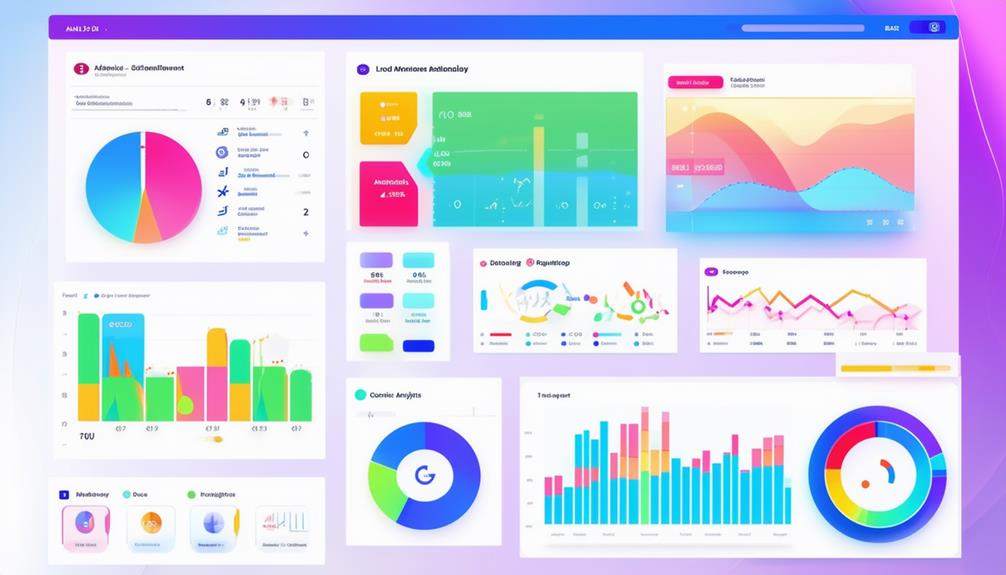
When selecting analytics software, ensure it has seamless data integration capabilities to facilitate smooth data flow across all your systems. A SaaS analytics platform with robust integration combines data from diverse sources efficiently, providing a comprehensive view of your business.
Additionally, prioritize customizable data visualization options. Tailoring charts, graphs, and dashboards to your specific needs enables you to present information effectively, aiding in better understanding and facilitating quick, data-driven decisions.
Advanced data analysis features are essential. Predictive modeling and machine learning tools can uncover deeper insights, helping you anticipate trends and make proactive decisions, thus giving your business a competitive edge.
Scalability is also crucial. As your business expands, your SaaS analytics platform should scale seamlessly, handling increasing data volumes and more complex analytical requirements without issues.
Essential SaaS Metrics
To gauge the health and growth of your SaaS business, it is essential to track key metrics such as Average Revenue Per User (ARPU) and Monthly Recurring Revenue (MRR). These metrics provide a clear picture of your financial performance. MRR offers insights into your monthly income, while ARPU reveals the average revenue generated per customer, informing your pricing strategies and customer acquisition efforts.
Annual Recurring Revenue (ARR) offers a long-term view of your business's revenue, aiding in forecasting and planning. Equally important is the Churn MRR rate, which measures revenue lost from customers who cancel their subscriptions. Monitoring this metric helps identify trends and implement customer retention strategies to minimize revenue loss.
Expansion MRR rate is another vital metric, indicating revenue growth from existing customers through upsells or cross-sells. This metric assesses the effectiveness of your customer success strategies and identifies opportunities for revenue growth.
Understanding Customer Lifetime Value (CLV) and Customer Retention Rate (CRR) is also crucial. CLV estimates the total revenue from a customer over their lifecycle, while CRR measures the percentage of customers retained over a specific period. Tracking these metrics enables data-driven decisions and optimizes business performance.
User Behavior Analytics Tools

Using user behavior analytics tools provides real-time data tracking that reveals how users interact with your product. These tools often incorporate predictive analytics, allowing you to foresee user needs and trends. Moreover, advanced segmentation techniques enable you to customize experiences for different user groups, thereby enhancing engagement and retention.
Real-Time Data Tracking
Real-time data tracking with tools like Userpilot, Heap, and Amplitude provides immediate insights into user behavior and engagement. These platforms monitor user interactions, such as clicks and scrolls, as they happen. This instantaneous feedback is crucial for understanding user engagement, allowing for the quick identification and resolution of any issues.
By utilizing real-time data tracking, you can pinpoint where users are dropping off, identify popular features, and observe interactions with your platform. This information empowers you to make data-driven decisions to enhance the user experience, which can lead to higher engagement and retention rates. For example, if you detect a significant drop-off at a specific stage, you can investigate and optimize that part of the user journey to boost satisfaction.
Furthermore, these tools enable continuous monitoring of user behavior, offering a dynamic view of how updates and changes affect engagement. This ongoing analysis is essential for reducing churn and fostering growth, as it allows for quick strategic adjustments based on real-time data.
Predictive Analytics Features
Predictive analytics within user behavior tools can forecast actions and preferences, offering crucial insights for your business. Using advanced machine learning algorithms, these tools analyze historical data to predict future user behavior, allowing you to identify patterns and trends. This capability significantly enhances decision-making processes and user engagement strategies.
By leveraging predictive analytics, you can reduce churn rates and increase customer retention. Anticipating user needs and behaviors enables proactive adjustments to your offerings, ensuring higher satisfaction and loyalty. Personalized experiences become a reality as predictive analytics tailor interactions, making users feel understood and valued.
These tools also improve conversion rates by predicting which users are most likely to convert and identifying optimal times and methods for engagement. Insights from predictive analytics allow you to allocate resources more effectively, targeting efforts for maximum impact.
Incorporating predictive analytics into your SaaS solutions is not just about staying competitive; it's about creating a more responsive and user-centric business model. Utilize the power of user behavior analytics and machine learning algorithms to drive your business forward.
Advanced Segmentation Techniques
Advanced segmentation techniques in user behavior analytics tools like Mixpanel and Amplitude allow for in-depth analysis of specific user actions, uncovering valuable insights. These tools enable you to study user behavior patterns, preferences, and interactions with your product. By leveraging advanced segmentation, you can craft targeted marketing campaigns and personalized user experiences, ultimately enhancing retention rates.
Imagine segmenting users based on criteria such as frequency of use, feature engagement, or purchase history. This segmentation enables you to tailor strategies to meet individual needs and preferences. For example, you could identify users who frequently abandon their shopping carts and target them with personalized promotions to encourage purchase completion.
Utilizing advanced segmentation techniques in user behavior analytics not only increases user engagement but also boosts conversion rates. Understanding what drives user actions allows you to optimize product features and marketing efforts to better align with user expectations. This results in business growth through informed decision-making based on detailed user behavior data. Incorporate advanced segmentation in your analytics approach to significantly impact your ability to engage and retain users effectively.
Revenue Analytics Solutions
Revenue analytics solutions, such as ProfitWell, ChartMogul, and Baremetrics, provide SaaS companies with comprehensive insights into their financial performance, aiding in business growth optimization. These tools track essential SaaS metrics like customer lifetime value (LTV), churn rate, average revenue per user (ARPU), and customer acquisition cost (CAC), facilitating informed decision-making.
ProfitWell offers an extensive suite of financial metrics and benchmarking tools, assisting over 10,000 SaaS companies in better understanding their revenue analytics. ChartMogul features geographical revenue heat maps and customizable metrics, enabling visualization of revenue sources tailored to specific business needs. Baremetrics provides one-click integration with billing systems, detailed cancellation data, and flexible pricing options suitable for various business sizes.
Comprehensive SaaS Analytics Platforms

Advanced SaaS analytics platforms such as Google Analytics, ProfitWell, Baremetrics, and ChartMogul offer a variety of tools to help optimize and grow your business effectively. These platforms deliver extensive business insights, enabling you to explore your data thoroughly and make informed decisions.
- Google Analytics provides customizable website analytics with both a free basic version and a premium Analytics 360 option.
- ProfitWell Metrics is trusted by over 10,000 SaaS companies for detailed financial metrics and benchmarks.
- Baremetrics offers one-click integration with billing systems, cancellation insights, and flexible pricing plans.
- ChartMogul features a geographical revenue heat map, customizable metrics, and robust data ingestion capabilities.
Quick Comparison:
| Platform | Key Features |
|---|---|
| Google Analytics | Customizable website analytics, free and paid options |
| ProfitWell Metrics | Detailed financial metrics, trusted by 10,000+ SaaS companies |
| Baremetrics | One-click billing integration, cancellation insights |
| ChartMogul | Geographical revenue heat map, customizable metrics |
Utilizing these SaaS analytics platforms, you can thoroughly explore your business data. Whether tracking website traffic with Google Analytics or understanding revenue trends with ChartMogul, these tools enable you to make data-driven decisions that drive growth and success.
Benefits of SaaS Analytics
Using SaaS analytics provides real-time insights, enabling quick, informed decision-making. These tools are cost-effective, removing the need for significant upfront investments in infrastructure. With precise data readily available, you can refine strategies and enhance overall performance.
Cost Efficiency
Leveraging SaaS analytics tools can substantially reduce costs by eliminating the need for expensive hardware and IT management. These cost-efficient solutions host and maintain the software in the cloud, eliminating the need to invest in costly servers or dedicated IT staff. This results in significant savings, allowing for more effective resource allocation.
SaaS analytics platforms provide powerful data analysis capabilities accessible to businesses of all sizes, from startups to established companies. These tools offer actionable insights without a hefty price tag. Additionally, the scalability of SaaS solutions ensures that you only pay for what you need, making budget management more straightforward.
Furthermore, these cost-effective platforms make it easier to optimize marketing strategies and improve customer retention rates. By making data-driven decisions, businesses can fine-tune their marketing efforts and enhance customer satisfaction at a fraction of traditional costs. The affordability and accessibility of SaaS analytics make them a compelling choice for any business looking to leverage data without significant financial investment.
Real-time Insights
SaaS analytics tools provide real-time insights into customer behavior, enabling your business to make swift, informed decisions. Leveraging real-time analytics and reporting allows you to stay ahead, making data-driven choices that enhance your strategies and performance.
These tools help you track key metrics such as Monthly Recurring Revenue (MRR) and Churn Rate, offering a clear view of your financial health. Understanding user behavior becomes effortless, allowing you to quickly identify trends, patterns, and anomalies. This capability enables you to adapt to market changes and evolving customer preferences without delay.
By utilizing real-time insights, you can:
- React promptly to changes in user behavior.
- Improve user engagement and satisfaction.
- Reduce churn by addressing issues proactively.
- Drive business growth through informed decision-making.
Real-time data processing capabilities are transformative, allowing you to respond swiftly and effectively. This ensures you have the precise data needed to understand customer needs and market shifts, empowering you to make decisions that propel your business forward.
Choosing the Right Tool

Choosing the right SaaS analytics tool involves evaluating critical features such as scalability, customization, user-friendly interfaces, data visualization, and seamless data integration. Scalability ensures the tool remains efficient and responsive as your data volume and user base grow. Customization allows you to tailor analytics to your business's unique needs, enabling the creation of dashboards and reports that align with your specific requirements.
Effective data visualization is essential. The tool should transform raw data into clear, actionable insights through intuitive charts and graphs, enhancing your decision-making process by conveying complex information swiftly and effectively.
Seamless data integration is also crucial. The tool should easily connect with various data sources, ensuring a smooth flow of information across multiple platforms, thus ensuring interoperability and consistent data analysis.
Selecting a tool with these features ensures it can grow with your business, provide relevant insights, and integrate seamlessly with your existing systems, fostering trustworthy and efficient data-driven decisions.
Future Trends in SaaS Analytics
How will the integration of AI and machine learning transform the future of SaaS analytics? By incorporating AI and machine learning into SaaS analytics tools, you'll experience a revolution in predictive analytics, enabling more informed decision-making. This shift is set to improve real-time data processing and provide advanced data visualization, making complex data insights more accessible and actionable.
Cloud-based analytics platforms are at the forefront of this transformation, offering scalability, flexibility, and cost-efficiency. These platforms allow businesses to handle vast amounts of data without the need for extensive on-premises infrastructure. As you adopt cloud solutions, you'll benefit from their intrinsic ability to adapt to your needs and budget.
Key trends shaping the future of SaaS analytics include:
- AI and machine learning integration: Facilitates predictive analytics and automation.
- Real-time data processing: Delivers immediate insights, enabling quick reactions to market changes.
- Advanced data visualization: Converts complex data into intuitive visual formats.
- Data privacy and security compliance: Ensures trust and transparency, critical in today's data-driven world.
As data privacy and security become increasingly paramount, SaaS analytics tools are evolving to meet stringent regulations, safeguarding your data. This compliance builds trust and transparency, essential for maintaining customer confidence in an increasingly data-centric landscape.
Conclusion
Choosing the right SaaS analytics solution positions your business for success by leveraging predictive analytics, scalability, AI, and machine learning. Ensuring data privacy and security protects your sensitive information, while a robust platform provides valuable insights and informed decision-making. Propel your business forward in today's competitive landscape by transforming your data analytics now.
Related posts