A Simple Guide to SaaS Security and Compliance
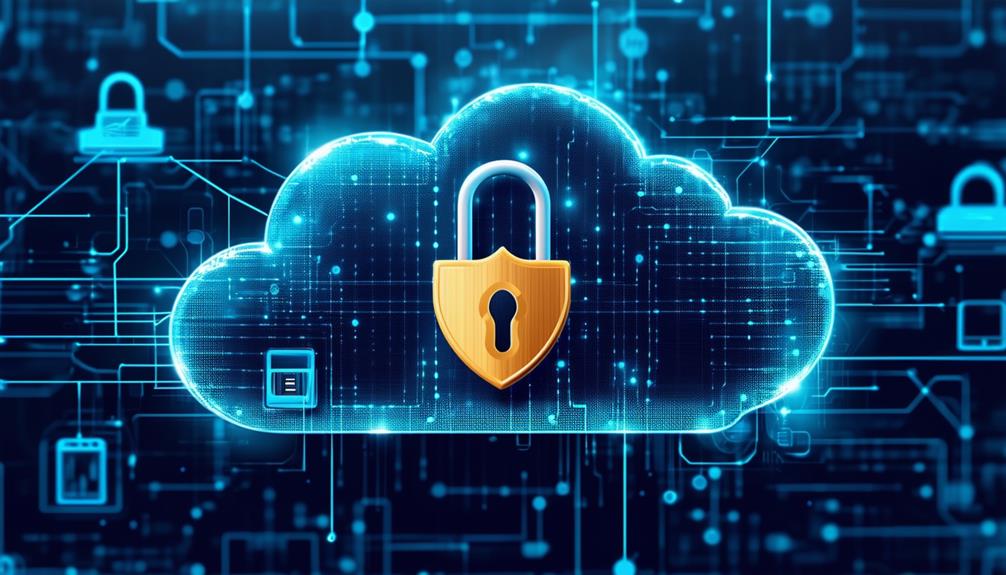
Navigating the intricacies of SaaS security and compliance requires a solid understanding of key principles to ensure your data remains secure and adheres to industry standards. Focus on robust access controls, advanced encryption methods, and continuous monitoring to protect sensitive information. Recognizing common risks such as data breaches and misconfigurations will help you implement effective authentication practices, including multi-factor authentication and strong password policies. To stay ahead of evolving threats and regulations, adopt a proactive approach to maintaining a strong security posture for your SaaS applications.
Key Takeaways
- Implement multi-factor authentication (MFA) and enforce robust password policies to prevent unauthorized access.
- Encrypt sensitive data both at rest and in transit to ensure it remains unreadable without the proper decryption key.
- Continuously monitor user activities and access logs for real-time threat detection and compliance adherence.
- Regularly train users on security best practices and incident response protocols to enhance organizational awareness.
- Conduct regular security audits and risk assessments to proactively identify and mitigate vulnerabilities.
Understanding SaaS Security

Understanding SaaS security involves comprehending how access controls, encryption, and monitoring work together to protect your cloud-based applications and data. SaaS security encompasses multiple layers designed to safeguard your information. Access controls function as gatekeepers, ensuring only authorized users can access your cloud assets. Robust authentication methods, such as multi-factor authentication, effectively block unauthorized access.
Encryption is another crucial aspect of SaaS security. It encrypts your data, rendering it unreadable to anyone without the decryption key. This ensures that intercepted data remains protected. Monitoring provides real-time insights into your cloud-based applications. Continuous monitoring helps detect and respond to suspicious activities, preventing breaches before they escalate.
Compliance with industry standards is also vital. Adhering to mandated security measures ensures your SaaS applications meet required security benchmarks. Given that 73% of data breaches involve cloud assets, implementing these security measures is essential. Protecting customer data and maintaining trust depend on your ability to effectively manage and secure your cloud-based applications.
Key SaaS Security Risks
Recognizing key SaaS security risks is crucial for safeguarding your cloud-based applications and data. One of the most prevalent threats is data breaches, with 73% involving cloud assets. Misconfigurations in SaaS environments can expose sensitive information, making it imperative to secure these settings. Cross-site scripting (XSS) attacks also pose significant risks by allowing attackers to inject malicious scripts into web applications, potentially compromising your data.
Account hijacking is another critical concern. Cybercriminals can gain unauthorized access to user accounts, leading to data loss or theft. Implementing robust identity management practices can mitigate this risk by ensuring only authorized users can access sensitive information. Additionally, poor vendor security practices can introduce vulnerabilities into your SaaS applications. Thoroughly vetting your vendors' security measures and ensuring they adhere to industry standards is essential.
Understanding shared responsibility models is crucial. While your SaaS provider secures the infrastructure, you are responsible for securing your data and user access. Implementing strong authentication methods and monitoring for suspicious activity can further protect your cloud assets. By being aware of these SaaS security risks, you are better equipped to safeguard your digital environment.
Best Practices for Authentication
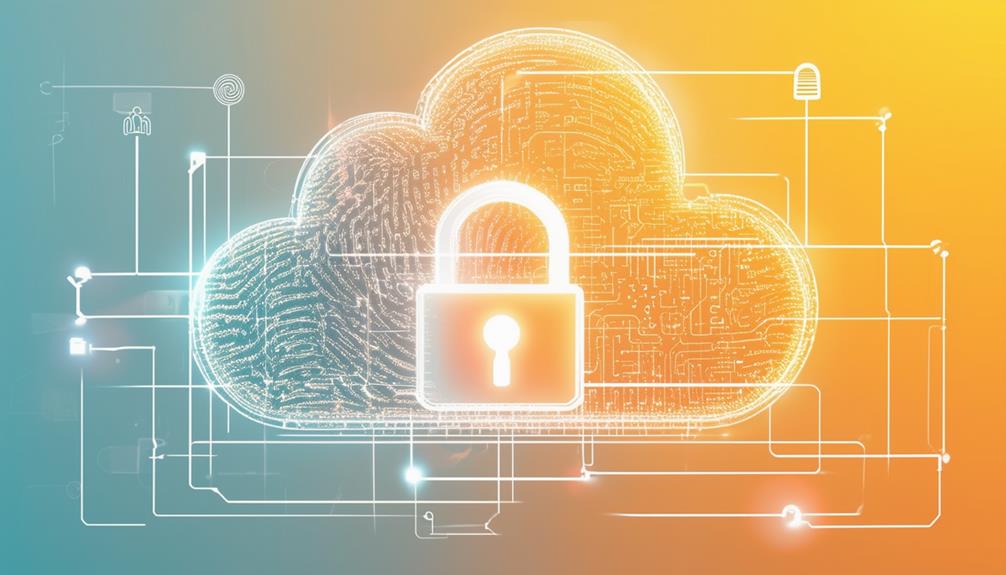
To protect your SaaS applications, begin by implementing multi-factor authentication (MFA) to reduce unauthorized access. Ensure users adhere to strong password policies that include regular updates and complexity requirements. Additionally, adopt secure login protocols, such as Single Sign-On (SSO), to streamline access and enhance security.
Multi-Factor Authentication Importance
Multi-factor authentication (MFA) significantly enhances your security by requiring multiple forms of verification, making it much harder for unauthorized users to gain access. By adding an extra layer of security, MFA substantially reduces the risk of unauthorized access to your systems. In fact, 99.9% of account breaches can be prevented with MFA. Common authentication factors include passwords, biometrics, security tokens, and SMS codes, all working together to fortify your SaaS security.
Implementing MFA is essential for protecting sensitive data and ensuring compliance with industry regulations. When you use multiple authentication factors, you're not just safeguarding your information—you're also adhering to best practices for authentication. This proactive approach helps you stay ahead of potential threats and ensures your data remains secure.
For SaaS applications, where sensitive data is constantly at risk, MFA provides a robust security framework. It's a crucial component that strengthens your security posture and demonstrates a commitment to compliance. By integrating MFA into your security strategy, you create a formidable barrier against unauthorized access, protecting both your data and your reputation.
Strong Password Policies
Implementing strong password policies is crucial for securing your SaaS applications and preventing unauthorized access. Given that 80% of data breaches are attributed to weak or stolen passwords, robust password practices are essential for maintaining security and compliance.
To enhance your SaaS security, consider these best practices for strong password policies:
- Complexity Requirements: Ensure passwords include a mix of uppercase and lowercase letters, numbers, and symbols. This reduces the risk of brute force attacks and makes it more difficult for attackers to guess passwords.
- Password Rotation: Enforce regular password changes. This minimizes the risk of unauthorized access due to compromised credentials.
- Prohibit Password Sharing: Clearly communicate that sharing passwords is prohibited. This helps protect sensitive information and prevents multiple points of access that can be exploited.
- Multi-Factor Authentication (MFA): Pair strong password policies with MFA for an additional layer of security. This reduces the chances of account hijacking, even if passwords are compromised.
Regularly updating and monitoring these policies ensure that your organization stays compliant with security standards and effectively protects your sensitive SaaS data. Remember, strong password policies are your primary defense against unauthorized access.
Secure Login Protocols
Building on the importance of strong password policies, secure login protocols are crucial for fortifying SaaS applications against unauthorized access. Implementing multi-factor authentication (MFA) is essential for enhancing SaaS security. MFA requires multiple verification methods, making it significantly harder for attackers to breach your system.
Single Sign-On (SSO) is another effective strategy. With SSO, users can access multiple applications using one set of login credentials, simplifying the login process while maintaining secure authentication. This not only improves user experience but also strengthens security by reducing the number of passwords users need to remember and manage.
Regularly updating and strengthening your password policies is necessary to prevent unauthorized access and credential theft. Security audits should be conducted frequently to identify and address any vulnerabilities in your secure login protocols. These audits help you stay ahead of potential threats and ensure your systems remain robust.
Importance of Data Encryption
Data encryption is crucial for SaaS security, as it ensures that sensitive information remains unreadable to unauthorized users. By converting data into a secure format using strong encryption protocols like AES and RSA, you significantly reduce the risk of interception or theft.
Here's why data encryption is indispensable:
- Protection of Data at Rest and in Transit: Encrypting data ensures the security of both stored data and data being transmitted, thereby minimizing the risk of breaches and unauthorized access.
- Compliance with Regulations: Many compliance frameworks require data encryption to protect sensitive customer and business information. Meeting these requirements not only ensures legal compliance but also enhances client trust.
- Prevention of Unauthorized Access: Encryption transforms data into a format that is unreadable without the correct decryption key, making it difficult for unauthorized users to access sensitive information.
- Adoption of Strong Encryption Protocols: Utilizing robust encryption standards such as AES and RSA provides a high level of security. These protocols are widely acknowledged for their effectiveness in protecting data within SaaS applications and cloud environments.
Monitoring and Auditing

In the realm of SaaS security, monitoring and auditing are crucial for protecting your data. Real-time threat detection is essential for identifying risks as they occur, while access log analysis helps track user activities. Compliance audit trails ensure that your operations adhere to regulatory standards and industry best practices.
Real-time Threat Detection
Real-time threat detection is crucial for safeguarding SaaS applications. By continuously monitoring user activities and data access, it enables prompt identification of security incidents, allowing risks to be mitigated before escalation. Integrating real-time threat detection into your security strategy fosters a robust and secure environment for SaaS applications.
Key benefits of implementing real-time threat detection include:
- Immediate Response: Continuous monitoring swiftly detects unusual activities, facilitating instant response to threats and preventing potential breaches.
- Compliance Assurance: Regular auditing ensures that SaaS platforms adhere to security policies, regulatory requirements, and industry standards.
- Risk Mitigation: Real-time identification and resolution of security incidents reduce risks, safeguard data, and maintain user trust.
- Enhanced Visibility: Monitoring tools provide detailed insights into user activities and data access patterns, improving the understanding and security of your SaaS environment.
Proactive monitoring and auditing are essential for SaaS security. They ensure a secure and compliant environment, protect data, and meet industry standards consistently. This comprehensive approach maintains data safety and compliance requirements effectively.
Access Log Analysis
Regularly analyzing access logs is crucial for monitoring user activities and securing your SaaS applications. Access log analysis allows you to track every user action, detect anomalies, and identify potential security threats, providing detailed insights into who accessed which data, when, and from where within your SaaS environment.
Effective monitoring and auditing of access logs are necessary for maintaining compliance with security policies and regulatory requirements. By routinely reviewing these logs, you can identify unauthorized access attempts, data breaches, and insider threats before they become significant issues.
Access log analysis helps you stay ahead of security threats by offering a clear picture of user activities in your SaaS applications. It enables a swift response to suspicious behavior, ensuring that unauthorized access is promptly addressed. Additionally, it supports compliance efforts by providing an auditable trail of user interactions, essential for security assessments and regulatory checks.
Incorporating robust access log analysis into your security strategy ensures the protection of your data and the maintenance of the integrity and trustworthiness of your SaaS applications.
Compliance Audit Trails
Compliance audit trails provide a transparent record of all system activities and changes, ensuring your organization meets industry standards and regulatory requirements. Utilizing a SaaS security platform allows for efficient monitoring of these audit trails, enabling the tracking of user activity, system changes, and data access. This is crucial for demonstrating compliance with regulations such as GDPR, HIPAA, and PCI DSS.
Effective monitoring of compliance audit trails helps identify and mitigate security risks and unauthorized activities. Here are key practices to optimize the use of compliance audit trails:
- Track User Activity: Maintain a detailed log of user access and actions within the system to identify suspicious behavior quickly.
- Monitor System Changes: Document every alteration to system configurations or settings, ensuring accountability and facilitating issue resolution.
- Control Data Access: Keep logs of data access to verify that sensitive information is handled appropriately and complies with regulatory standards.
- Identify Security Risks: Regularly review audit trails to detect potential security vulnerabilities or unauthorized activities before they escalate.
Implementing CASB Solutions
Implementing Cloud Access Security Broker (CASB) solutions equips organizations with essential tools to secure their cloud-based services and ensure regulatory compliance. These solutions provide visibility and control over cloud environments, enabling the enforcement of security policies and data loss prevention measures. By integrating CASB solutions, organizations can protect sensitive data, mitigate security risks, and comply with regulations such as GDPR and HIPAA.
CASB solutions are crucial for monitoring user activity within SaaS applications, offering real-time alerts for suspicious behavior to enable prompt responses to potential security threats. Additionally, these tools enforce encryption, securing data both in transit and at rest. This level of control is essential for maintaining security compliance and safeguarding valuable information.
Furthermore, CASB solutions detect and respond to vulnerabilities proactively, providing continuous monitoring and comprehensive security measures to ensure cloud environments remain secure. Whether managing sensitive customer data or proprietary business information, CASB solutions offer confidence that data is protected and compliance requirements are satisfied.
User Training and Awareness
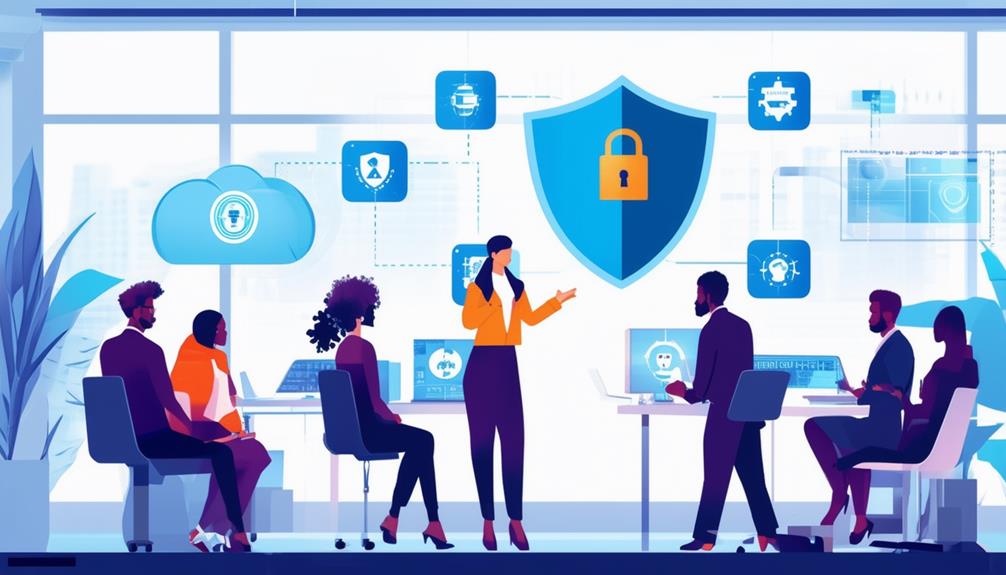
Given that 95% of security breaches are attributed to human error, user training and awareness are essential for SaaS security. By keeping your team informed, you can significantly reduce the risk of cyber attacks. Here are some key steps to enhance security awareness:
- Regular Training Sessions: Conduct frequent training sessions to keep security top of mind. These should cover the latest phishing threats, password best practices, and how to recognize suspicious activities.
- Phishing Simulations: Run phishing simulations to test and improve your organization's response. Educating users on phishing threats can prevent around 80% of security incidents.
- Password Management: Educate your team on creating strong, unique passwords and the importance of not reusing them. This helps mitigate the risk of credential-based attacks.
- Incident Response Training: Prepare employees for potential security breaches by teaching them the steps to take when a security incident occurs, ensuring a swift and effective response.
Choosing SaaS Security Solutions
Choosing the right SaaS security solutions is essential for protecting your organization's sensitive data. Begin by ensuring that the solutions provide robust features, such as multi-factor authentication, encryption, and access controls. These core functionalities form the foundation of your security architecture, safeguarding against unauthorized access and data breaches.
Cloud Access Security Brokers (CASBs) play a pivotal role in this context. CASBs monitor your SaaS applications and enforce security policies, offering enhanced visibility and control over your data. They help ensure that only authorized users can access sensitive information, thereby reducing the risk of security incidents.
Regular security audits, assessments, and penetration testing are crucial for evaluating the effectiveness of your SaaS security measures and identifying vulnerabilities before they can be exploited. Conducting these evaluations frequently helps you stay ahead of potential threats.
User training is another vital component. Educate your team on security best practices and provide ongoing training to keep everyone informed and vigilant. Compliance with industry standards and regulations is also essential for maintaining a robust security posture. Stay updated on the latest security trends and advancements to continually enhance your SaaS security solutions.
Conclusion
To keep your SaaS applications secure and compliant, focus on robust access controls, encryption, and continuous monitoring. Prioritize multi-factor authentication and enforce strong password policies to significantly reduce risks. Regular user training and awareness programs are essential. Implementing Cloud Access Security Broker (CASB) solutions ensures comprehensive monitoring and auditing. Stay updated with security trends and invest in advanced technologies to maintain a resilient security posture for your SaaS environment.
Related posts