What Are the Three Main Types of HR Software Solutions?
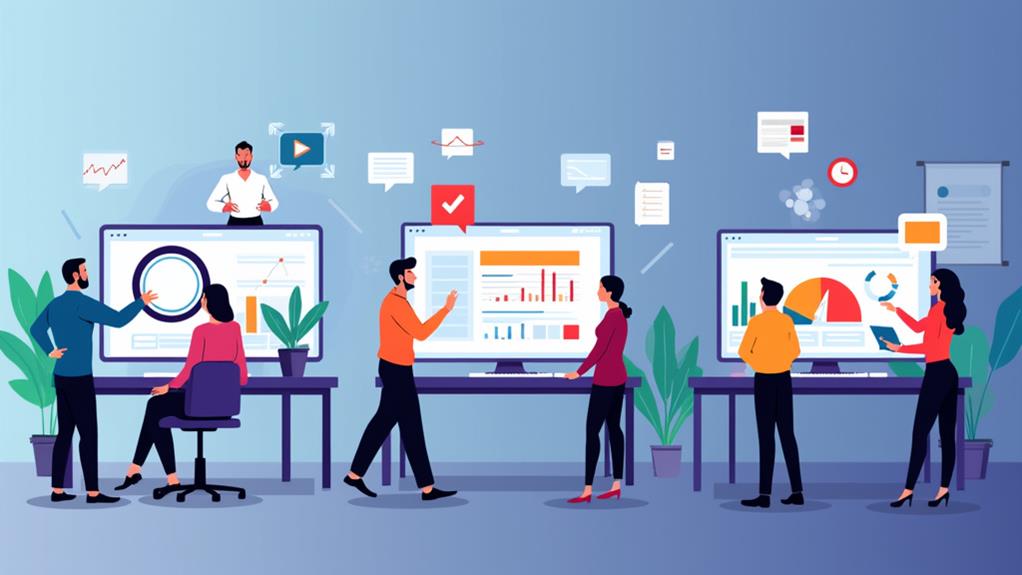
Navigating the complex landscape of HR software requires understanding the three main types: HRIS, HCM, and HRMS. Each serves distinct yet sometimes overlapping functions. HRIS (Human Resource Information System) primarily manages employee data and streamlines administrative tasks, making it ideal for organizations of all sizes. HCM (Human Capital Management) encompasses the entire employee lifecycle, focusing on talent acquisition, development, and performance management. HRMS (Human Resource Management System) combines the functionalities of both HRIS and HCM, offering a comprehensive HR management solution. Selecting the right type depends on your organization's specific needs and goals.
Understanding HR Software
Navigating the world of HR software requires a clear understanding of the distinctions between HRIS, HCM, and HRMS, each serving unique purposes to address specific organizational needs.
HRIS, or Human Resource Information System, is designed to manage employee data and automate HR functions such as payroll, time tracking, and benefits administration. Its primary goal is to centralize employee information and streamline administrative tasks, making it an ideal choice for organizations focused on efficiency in these areas.
HCM, or Human Capital Management, offers a broader suite of functionalities that includes talent management, employee development, and predictive analytics. This makes HCM particularly suitable for medium to large businesses aiming to enhance workforce engagement and productivity through advanced HR strategies.
HRMS, or Human Resource Management System, combines features of both HRIS and HCM. It integrates core HR activities with advanced functionalities like recruitment, onboarding, and performance management. This comprehensive solution is designed to improve general HR efficiency while ensuring compliance, making it adaptable for businesses of all sizes.
Understanding these distinctions ensures you select the HR software that best aligns with your specific needs and operational goals, thereby optimizing HR processes and contributing to overall organizational success.
Defining HRIS
Having explored the distinctions among HRIS, HCM, and HRMS, let's delve into defining HRIS (Human Resource Information System). An HRIS serves as a centralized database for employee information, streamlining the management of various HR processes such as payroll and performance evaluations. This system is designed to enhance operational efficiency by minimizing manual errors and paperwork, thus simplifying complex HR tasks.
An HRIS encompasses essential features such as employee records management, reporting, analytics, and self-service portals for both managers and employees. These features collectively facilitate improved decision-making and resource allocation in areas like compensation and recruitment. To provide clarity, here are the primary benefits of utilizing an HRIS:
- Centralized Employee Information: All employee data is consolidated in a single location, making it easily accessible and manageable.
- Enhanced Reporting and Analytics: Delivers valuable insights that support strategic HR decisions and boost operational efficiency.
- Streamlined HR Processes: Automates tasks such as payroll and performance evaluations, reducing the administrative burden on HR staff.
Organizations with 500 or more employees typically derive the most benefit from an HRIS due to the complexity and volume of HR data they handle.
Key Features of HRIS

A robust HRIS offers a suite of essential features that streamline and enhance HR functions. At its core, an HRIS excels in employee database management, serving as a centralized repository for all employee-related information. This feature simplifies data retrieval and ensures accuracy and consistency. Performance management tools within the HRIS enable systematic tracking and evaluation of employee performance, facilitating regular reviews and goal-setting.
Recruiting and applicant tracking are also fundamental components. The HRIS streamlines the hiring process, from posting job openings to tracking candidates' progress through different recruitment stages. Additionally, self-service portals empower managers and employees to access and manage their information, thereby reducing the administrative burden on HR staff.
One of the standout features is the automation of core HR tasks, such as payroll processing and compliance tracking. This automation minimizes manual errors and ensures adherence to labor regulations. Comprehensive reporting and analytics tools in the HRIS provide insights into workforce trends, enabling data-driven decision-making for HR strategy and resource allocation. These features collectively enhance operational efficiency and support informed decision-making, ultimately contributing to a more effective and responsive HR department.
Exploring HCM
How can organizations effectively manage the entire employee lifecycle from recruitment to retirement? With Human Capital Management (HCM) systems, you can streamline each stage of this process. HCM offers a comprehensive suite of cloud-based HR applications designed to manage all aspects of the employee lifecycle.
Key functionalities include:
- Onboarding and Performance Management: Seamlessly integrate new hires and track their progress using robust performance management tools.
- Talent Development and Workforce Analytics: Leverage data-driven insights for strategic workforce planning, enhancing employee growth and optimizing workforce value.
- Predictive Analytics and International Compliance: Anticipate future staffing needs and ensure compliance with country-specific regulations for global operations.
HCM systems are particularly beneficial for medium to large organizations due to their capability to support complex HR needs. By leveraging predictive analytics, HR teams can proactively manage talent, identify skill gaps, and anticipate future requirements. Additionally, the integration of multi-currency and international compliance features ensures smooth operations across borders.
Ultimately, HCM solutions enhance employee experience and optimize workforce value, making them essential tools for modern, data-driven HR management.
Benefits of HCM

Understanding the functionalities of Human Capital Management (HCM) systems reveals why they are indispensable for modern HR management. HCM solutions enhance the employee experience by integrating onboarding, performance management, and training into a unified platform. This integration not only boosts engagement but also increases retention rates. Seamless onboarding and continuous training make new hires more likely to stay and grow within your organization.
By utilizing predictive analytics, HCM systems help proactively address workforce gaps, ensuring that talent acquisition aligns with your strategic business objectives. This enables better planning for future staffing needs, avoiding costly shortages or surpluses.
HCM systems also support global operations with multi-currency and country-specific features, ensuring compliance with diverse labor laws and regulations. This global capability simplifies managing a dispersed workforce and ensures legal compliance.
Moreover, HCM solutions empower organizations to foster employee growth through extensive training and development tracking. This focus on talent management leads to a more skilled, adaptable workforce. Ultimately, the strategic focus of HCM on talent management and succession planning optimizes workforce value, driving efficiency and revenue growth through refined HR practices.
Introduction to HRMS
Many organizations are adopting Human Resource Management Systems (HRMS) to optimize their HR operations. An HRMS integrates the functionalities of Human Resource Information Systems (HRIS) and Human Capital Management (HCM), offering a comprehensive solution for managing employee data, payroll, recruitment, and performance management. These systems are designed to scale with businesses of all sizes, addressing critical HR needs such as compliance, employee engagement, and talent management.
An HRMS enhances HR team efficiency and effectiveness by automating various processes. For example, advanced features enable seamless payroll processing and performance tracking, which not only improves employee satisfaction but also aids in retention. Moreover, the data analytics capabilities of an HRMS provide valuable insights into workforce trends and performance metrics, facilitating strategic decision-making.
Key benefits of an HRMS include:
- Integration: Streamlines processes and improves communication across departments.
- Data Analytics: Offers insights for informed decision-making.
- Employee Engagement: Enhances satisfaction and retention through personalized learning paths and performance management.
HRMS Capabilities
Building on the foundational understanding of HRMS, let's examine the key capabilities that make these systems indispensable for modern HR operations. An HRMS (Human Resource Management System) integrates functionalities like managing employee data, payroll, recruitment, and training processes into a single platform. This unification enhances administrative efficiency by automating repetitive tasks such as payroll processing and performance management, thereby reducing manual errors and saving time.
HRMS also plays a crucial role in fostering employee engagement. Integrated features like satisfaction surveys, feedback mechanisms, and personalized learning paths empower employees and elevate morale. Additionally, the advanced analytics and reporting capabilities of an HRMS enable data-driven decision-making, ensuring effective workforce management and optimal resource allocation.
Here's an overview of key HRMS capabilities:
| Capability | Description |
|---|---|
| Employee Data Management | Centralizes and securely manages all employee information. |
| Payroll Processing | Automates payroll tasks, ensuring timely and accurate payments. |
| Recruitment | Streamlines hiring processes from job postings to onboarding. |
| Training Processes | Facilitates employee development through learning management and training programs. |
| Performance Management | Tracks and evaluates employee performance, setting goals and providing feedback. |
HRMS solutions are versatile and can be tailored to businesses of all sizes, making them an indispensable tool for contemporary HR operations.
Comparing HRIS, HCM, and HRMS
When comparing HRIS, HCM, and HRMS, it is essential to understand their core functional differences and employee management capabilities. HRIS primarily focuses on managing employee data and automating tasks such as payroll. HCM offers a broader suite that includes talent management, workforce planning, and employee engagement. HRMS encompasses both HRIS and HCM functionalities, providing a comprehensive platform that integrates recruitment, payroll, performance management, and more.
Core Functional Differences
Understanding the core functional differences between HRIS, HCM, and HRMS is crucial for selecting the right HR software solution for your organization. Here's a breakdown:
- HRIS (Human Resource Information System): Focuses on managing employee data and automating administrative tasks like payroll. It also offers self-service portals for employees and managers, making it ideal for large organizations with existing HR personnel. HRIS is best suited for tasks that require accurate data management and administrative efficiency.
- HCM (Human Capital Management): Encompasses a comprehensive suite of applications for managing the entire employee lifecycle. This includes recruitment, onboarding, performance management, and strategic workforce planning. HCM is a strong candidate for medium to large companies aiming to improve employee experience and strategic management.
- HRMS (Human Resource Management System): Combines the functionalities of HRIS and HCM, offering a more integrated approach. It covers payroll, recruitment, and employee engagement, making it versatile enough to cater to businesses of all sizes. HRMS focuses on streamlining HR processes and boosting operational efficiency.
These distinctions are crucial for ensuring semantic accuracy, completeness, consistency, and relevance when selecting an HR software solution that best fits your organizational needs.
Employee Management Features
Choosing the right HR software solution for employee management can greatly enhance your organization's efficiency and employee satisfaction. When evaluating HRIS, HCM, and HRMS, it's crucial to consider their specific employee management features.
An HRIS specializes in automating administrative tasks such as employee data management, payroll, and benefits administration. It is ideal for organizations aiming to streamline record-keeping and reporting, making it particularly suitable for larger organizations with dedicated HR personnel.
HCM, on the other hand, offers a broader range of functionalities, including talent management, performance management, and workforce planning. This software focuses on optimizing workforce value and enhancing the employee experience. If your goal is to manage the entire employee lifecycle—from onboarding to training and development—HCM is likely the right choice.
HRMS combines the strengths of both HRIS and HCM, integrating features for recruitment, payroll processing, performance management, and employee engagement. This makes it an excellent option for medium to large businesses seeking to streamline HR processes while also enhancing strategic HR initiatives.
Ultimately, the choice between HRIS, HCM, and HRMS should align with your organization's specific needs, desired employee management features, and scalability requirements.
Selecting the Right HR Software
When selecting HR software, prioritize key criteria such as recruitment, employee management, and compliance to align with your organization's requirements. Determine whether a cloud-based or on-premises solution fits your budget and security needs, and ensure compatibility with existing systems. Assess vendors based on their reputation and support services to choose a reliable provider, ensuring smooth implementation and long-term success.
Key Selection Criteria
Selecting the right HR software is akin to finding the perfect tool for a complex job; it necessitates a thorough evaluation of your organization's specific needs, size, and growth plans. Whether you are considering HRIS, HRMS, or HCM solutions, focusing on key selection criteria will ensure you choose the best fit.
- Identify Vital Features: Determine the essential functionalities your organization requires, such as recruitment, payroll, performance management, and compliance. These features should align directly with your HR objectives to ensure the software meets your needs effectively.
- Guarantee Seamless Integration: Ensure the chosen HR software integrates smoothly with your existing business systems. This is crucial for maintaining operational efficiency and avoiding workflow disruptions.
- Evaluate Costs: Consider both initial and ongoing expenses, including maintenance and support. Ensure these costs fit within your budget to prevent financial strain.
- Prioritize User Experience: Select a system with an intuitive interface that matches your staff's technological proficiency. This will minimize resistance to adoption and enhance user satisfaction.
Implementation Best Practices
Implementing HR software effectively is crucial for maximizing its value and ensuring it integrates seamlessly into your organization. Begin by evaluating your organization's size and complexity to determine whether an HRIS, HRMS, or HCM system is most appropriate. Each type offers distinct capabilities tailored to varying needs.
Identify the key features required, such as recruitment, performance management, and payroll, and align them with your specific HR objectives to ensure the software meets your goals. Prioritize integration capabilities to prevent disruptions and enhance operational efficiency.
Consider the total cost of ownership, including initial setup, ongoing maintenance, and potential hidden costs like training and support. Staying within budget while ensuring comprehensive functionality is essential for successful implementation.
Finally, prioritize user experience by selecting platforms with intuitive interfaces and robust support resources. This facilitates smooth adoption and minimizes resistance among staff.
| Criteria | Details |
|---|---|
| System Selection | HRIS, HRMS, or HCM systems |
| Key Features | Recruitment, performance, payroll |
| Total Cost | Setup, maintenance, hidden costs |
HR Software Implementation Tips
How can you ensure a smooth transition when rolling out new HR software? First, assess your organization's specific HR management needs to determine whether an HRIS, HRMS, or HCM system is most suitable. This step ensures that the chosen software aligns with your operational requirements.
Providing tailored training is crucial. The complexity of the software dictates the depth of training required. Adequate training enhances user adoption by increasing comfort and proficiency with the new system. Additionally, establish a dedicated support team to assist during the transition phase. This team will address user challenges and build confidence in utilizing the new software effectively.
Incorporate the following strategies for a seamless implementation:
- Free Trials: Request free trials or demos from vendors to confirm that the HR software meets your expectations and fits operational needs before committing long-term.
- Integration: Select software that integrates seamlessly with your existing business systems to avoid disruptions and maintain efficient operations.
- Support Team: Establish a dedicated support team to provide immediate assistance, helping users overcome challenges and ensuring a smooth transition.
With these HR software implementation tips, you'll be better prepared to handle the complexities of rolling out a new HRIS, HRMS, or HCM system in your organization.