SaaS Metrics: a Complete Guide to Tracking Business Growth

Managing a SaaS business necessitates a deep understanding of key metrics like Monthly Recurring Revenue (MRR) and Customer Acquisition Cost (CAC). These indicators are crucial for gauging your company's health and growth trajectory. Effectively tracking these metrics and translating data into actionable strategies can significantly enhance customer retention and profitability. This guide provides comprehensive insights and practical techniques to address these challenges, ensuring your SaaS venture not only survives but thrives. Let's delve into the core elements that will propel your business forward.
Key SaaS Metrics Overview
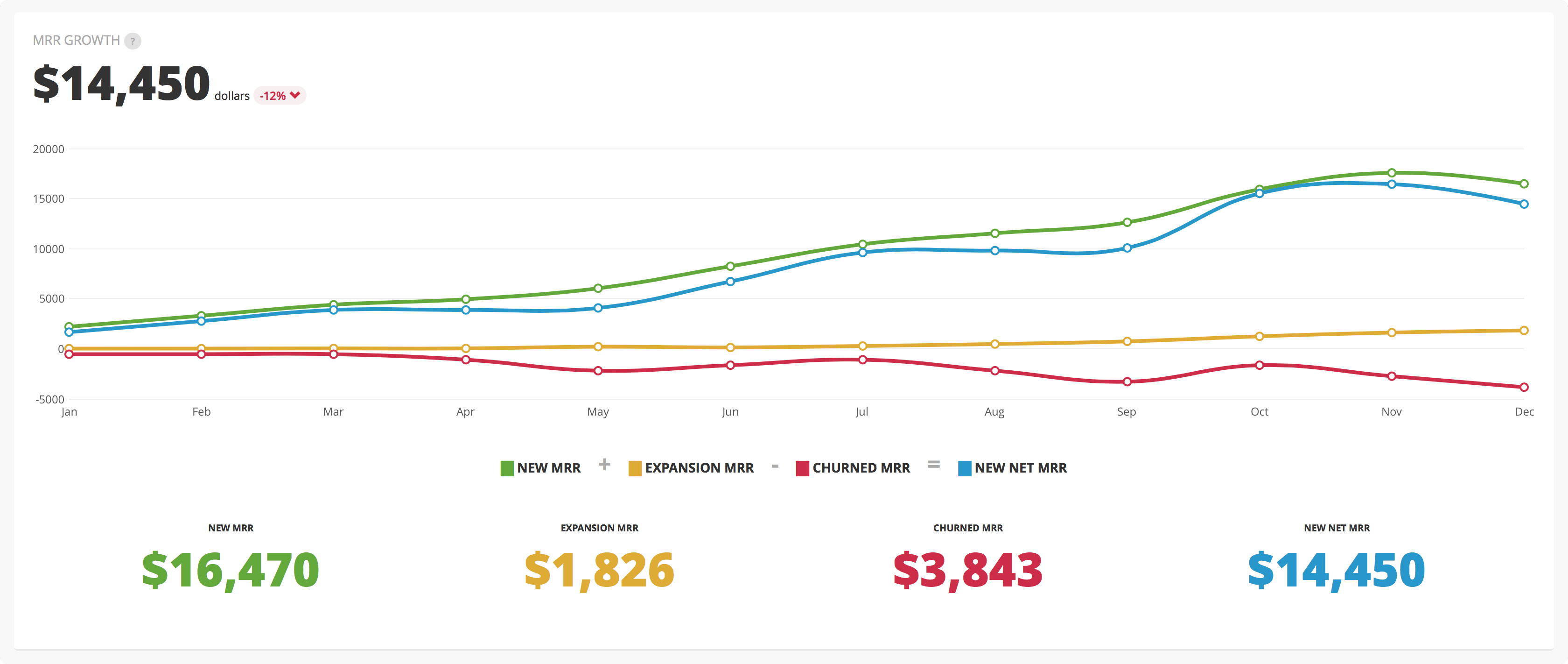
Understanding the right metrics is fundamental for steering a SaaS business toward growth and profitability. Key metrics such as Monthly Recurring Revenue (MRR), Customer Acquisition Cost (CAC), Customer Lifetime Value (CLTV), and Churn Rate provide crucial insights into your company's financial health and customer dynamics.
MRR is a vital metric, calculated by multiplying the number of active customers by the Average Revenue Per User (ARPU). It provides a predictable income stream essential for cash flow analysis. Keeping an eye on your CAC is similarly important; it should be significantly lower than the CLTV. This balance indicates sustainable growth and effective marketing strategies, as acquiring customers at a lower cost than their lifetime value ensures profitability.
Churn Rate, the percentage of customers canceling subscriptions over a specific period, is another significant metric. A high churn rate can signal customer dissatisfaction, requiring immediate attention. Monitoring these metrics aids in decision-making and strategic adjustments. Furthermore, it helps benchmark against competitors and historical performance, ensuring sustainable growth.
User Engagement Strategies
To drive sustainable growth in a SaaS business, focusing on user engagement strategies is essential. High user engagement, which can be tracked through Daily Active Users (DAU) and Monthly Active Users (MAU), often correlates with lower churn rates and increased customer lifetime value (CLTV). Enhancing engagement involves more than just monitoring metrics; it requires a proactive approach.
Here are three effective strategies to elevate user engagement:
- Proactive Product Enhancement: Continuously refine your product's user interface and incorporate user feedback to ensure it remains relevant and meets customer needs. Regular updates and responsive customer support can deepen engagement, creating opportunities for upselling and cross-selling.
- Behavioral Analytics: Monitor feature usage variations to identify patterns in user behavior. This data informs targeted improvements, enhancing the overall user experience and ensuring the product evolves with customer expectations.
- Customer Success Programs: Implement strong onboarding and training programs to help clients achieve their goals. Effective customer success programs can significantly increase retention rates and foster long-term loyalty.
Implementing these strategies will improve customer satisfaction, product relevance, and ensure your SaaS business thrives in a competitive market.
Customer Acquisition Metrics

When tracking customer acquisition metrics, begin by analyzing your Customer Acquisition Cost (CAC) to ensure it balances well with your Customer Lifetime Value (CLTV). Effective growth strategies depend on maintaining a low CAC while achieving a high Net Revenue Retention (NRR). By focusing on these metrics, you can optimize your marketing efforts and sustain healthy business growth.
Acquisition Cost Analysis
Understanding Customer Acquisition Metrics, particularly the Customer Acquisition Cost (CAC), is crucial for any SaaS business aiming for sustainable growth. CAC is calculated by dividing the total costs associated with acquiring new customers—such as marketing, sales, and onboarding expenses—by the number of new customers gained during a specific period. A healthy CAC should be significantly lower than the Customer Lifetime Value (CLTV), often aiming for a ratio of 1:3 to ensure profitability and long-term growth.
Monitoring CAC helps assess the efficiency of marketing strategies. A lower CAC indicates higher potential profitability and better resource optimization. Key points to focus on include:
- Regular Analysis: Compare CAC with metrics like CLTV and churn rate to understand customer acquisition efficiency and overall business health.
- Marketing Optimization: A high CAC may signal the need to reevaluate strategies. Inbound marketing methods, such as those promoted by HubSpot, can reduce CAC by attracting customers organically.
- Sustainable Growth: Ensure your customer base grows cost-effectively, enabling long-term profitability and optimal resource use.
Effective Growth Strategies
Effective growth strategies hinge on mastering customer acquisition metrics, particularly the Customer Acquisition Cost (CAC). CAC is a critical metric that measures the total expenses incurred to acquire a new customer. To ensure profitability and sustainable growth, maintain a CAC considerably lower than the Customer Lifetime Value (CLTV). Ideally, your CAC should be less than one-third of your CLTV, indicating a strong return on investment in customer acquisition efforts.
To accurately track CAC, sum all sales and marketing costs associated with acquiring new customers and divide this total by the number of new customers gained during the same period. This method provides a clear picture of your spending efficiency. Companies like HubSpot achieve lower CAC through inbound marketing strategies, which acquire high-quality leads at reduced costs.
Regularly analyze your CAC alongside Monthly Recurring Revenue (MRR) and Net Revenue Retention (NRR). This comprehensive approach enables you to assess the effectiveness of your customer acquisition strategies and make informed adjustments. By optimizing these metrics, you can improve customer retention and drive sustained business growth. Remember, effective tracking is key to refining your growth strategies and achieving long-term success.
Conversion Rate Optimization
Conversion Rate Optimization (CRO) is fundamental for driving revenue growth in SaaS platforms. Even a minor increase in conversion rates can significantly boost profits, potentially by 25-50%. To achieve this, employ A/B testing on various website elements such as call-to-action buttons and landing page designs. A/B testing can enhance user engagement and elevate conversion rates by up to 300%.
Streamlining the sign-up process is crucial. Reducing the number of steps can result in a 20-30% improvement in new user registration completion rates. Clear navigation and a user-friendly design are also essential, as they improve the overall user experience, leading to higher conversion rates and a smoother onboarding process.
Understanding user behavior through metrics like bounce rates and exit pages helps identify obstacles in your conversion funnel. This allows you to make data-driven improvements.
To focus your efforts, consider these three action items:
- A/B Testing: Experiment with different website elements to determine what increases user engagement.
- Sign-Up Process: Simplify the steps to boost completion rates.
- User Behavior Analysis: Use metrics to identify and eliminate conversion barriers.
Implementing these strategies can drive substantial growth for your SaaS platform.
Pricing Strategies
When developing pricing strategies, consider offering tiered pricing models. These models can drive customers to spend more by catering to their specific needs and budgets, thereby enhancing your Average Revenue Per User (ARPU). Incorporating volume discounts and bundled offerings can further incentivize users to commit to multiple services, boosting engagement and overall revenue. It is crucial to align your pricing with key metrics such as Monthly Recurring Revenue (MRR) and Customer Lifetime Value (CLTV) to ensure maximum revenue while maintaining customer satisfaction.
Tiered Pricing Models
Tiered pricing models serve as an effective strategy for SaaS companies aiming to address diverse customer needs and boost revenue. By providing various subscription levels, you can attract different customer segments and maximize revenue potential. This approach often results in an increased Average Revenue Per User (ARPU) as customers opt for higher tiers to access additional functionalities that align with their specific requirements.
Implementing tiered pricing can significantly enhance customer acquisition. Studies indicate that 70% of customers prefer plans with clear value differentiation. To ensure your tiers are effective, align them with customer willingness to pay. Here are some steps to refine your tiered pricing model:
- Conduct Surveys and Analyze Usage Patterns: Understanding customer usage helps set competitive price points and ensures your tiers meet their needs.
- Regularly Review and Adjust Tiers: Based on customer feedback and market trends, adjust your offerings to optimize retention and minimize churn.
- Emphasize Value Differentiation: Clearly distinguish the features and benefits of each tier to encourage upgrades and avoid customer confusion.
Volume Discounts Benefits
Incorporating volume discounts into your pricing strategy can significantly enhance customer engagement and drive substantial revenue growth. Volume discounts encourage customers to purchase in larger quantities or commit to longer subscription terms, resulting in increased Average Revenue Per User (ARPU) and overall revenue.
By integrating volume discounts within your tiered pricing structures, you offer customers more value as they scale their usage. This perceived value can improve customer retention and reduce churn rates.
Research indicates that businesses employing volume discount strategies can experience a notable increase in order size, with some reporting up to a 30% sales boost from bulk purchases. Additionally, volume discounts simplify the sales process, making it easier for customers to convert due to the financial advantages of purchasing in bulk. This leads to more predictable Monthly Recurring Revenue (MRR).
| Benefit | Impact |
|---|---|
| Higher ARPU | Increased overall revenue |
| Improved customer retention | Lower churn rates |
| Increased order size | Up to a 30% sales increase |
Implementing volume discounts is a strategic move to drive predictable growth and strengthen long-term customer relationships.
Bundled Offerings Advantages
Bundled offerings can be transformative for your pricing strategy, significantly enhancing Average Revenue Per User (ARPU) by delivering added value to customers. By combining complementary products or services, you not only incentivize customers to spend more but also enhance their overall experience. This method can markedly boost customer retention, as customers are less likely to churn when they perceive greater value in bundled services compared to standalone options.
Implementing tiered pricing structures within your bundled offerings can help you capture a diverse range of customer segments. Customers can select packages that best suit their needs and budgets, thereby broadening your market appeal. Here are three key advantages of using bundled offerings:
- Increased ARPU: Customers are inclined to spend more when they recognize the added value in bundled products.
- Reduced CAC: Bundled offerings can attract new customers through perceived savings, making your marketing efforts more efficient.
- Enhanced Upsell Opportunities: Customers who purchase bundles are more likely to explore additional services.
Practical Case Studies
Examining practical case studies provides invaluable insights into how successful SaaS companies drive business growth.
For instance, HubSpot maximizes Customer Lifetime Value (CLTV) by continuously enhancing their product and offering tailored onboarding experiences, which lead to significant customer retention and upsell opportunities. They meticulously track SaaS metrics to ensure high user satisfaction and engagement.
Shopify, on the other hand, focuses on optimizing conversion rates by simplifying the merchant setup process. This approach has resulted in increased user engagement and substantial growth in their customer base. Their emphasis on user experience underscores the importance of these metrics in driving revenue growth.
Netflix leverages data analytics to personalize content recommendations, maintaining high user engagement and minimizing churn by continuously updating their offerings based on viewer preferences. This strategy ensures that users remain satisfied and loyal.
Slack monitors user activity patterns to enhance platform reliability, directly elevating customer satisfaction and retention through targeted feature updates and robust user support.
Lastly, Adobe's shift to a subscription model with Creative Cloud demonstrates how subscription services can broaden customer bases and improve accessibility, driving consistent revenue growth.
These case studies illustrate the effective use of SaaS metrics to promote business success.
Related posts