POS Hardware 101: A Simple Guide for Beginners
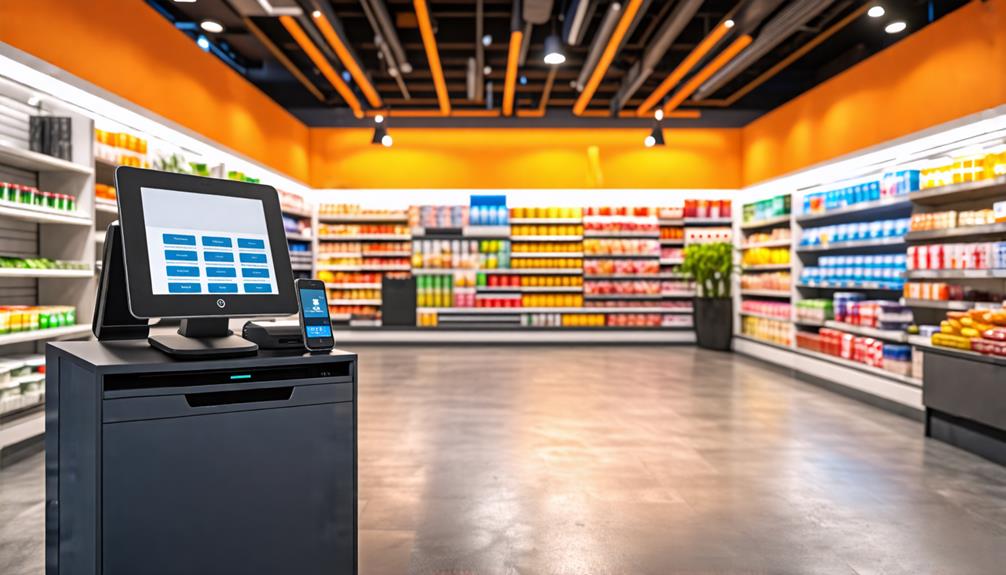
Starting out in retail or hospitality can make understanding POS hardware seem overwhelming. You might wonder about the essential components, how to choose the right system, and what benefits each option offers.
Each piece, from terminals to barcode scanners, plays a crucial role in your operations. This guide aims to simplify these choices, helping you make informed decisions that can enhance customer experience and streamline your business.
However, before committing to any hardware, consider several key factors that could significantly impact your bottom line.
Understanding POS Hardware
Understanding POS hardware is essential as it encompasses key components like terminals, credit card processors, and barcode scanners that streamline sales transactions. The POS terminal serves as the central hub for sales operations, often featuring a touchscreen interface for intuitive and efficient use. This modern alternative to traditional cash registers accelerates the checkout process.
Credit card terminals are another critical element of POS hardware. They securely process credit and debit card payments, accommodating various methods such as magstripe and contactless payments. This versatility is crucial for catering to customer preferences in today's fast-paced environment.
Barcode scanners significantly enhance efficiency, especially during peak hours. They enable quick item scanning, reducing wait times and improving customer satisfaction. Additionally, receipt printers are fundamental for providing customers with proof of purchase. While e-receipts are becoming more popular, many customers still value the tangibility of a printed receipt.
Together, these components form a cohesive system, ensuring that sales transactions are managed efficiently and effectively.
Key Components of POS Systems
Key components of POS systems include the terminal, credit card processor, cash drawer, receipt printer, and barcode scanner, all working together to facilitate efficient transactions. The POS terminal, which could be a computer, tablet, or smartphone, acts as the central hub for processing transactions and managing sales. A reliable credit card processor is essential for accepting various payment methods, including magnetic stripe, chip, and contactless options.
The cash drawer securely stores cash, coins, and checks, ensuring accurate cash management during transactions. It integrates seamlessly with your POS system to help keep track of earnings. Receipt printers produce printed transaction records for customers, which are important for returns and exchanges. Many systems also offer electronic receipts for added convenience.
The barcode scanner accelerates the checkout process by quickly reading product barcodes, making it indispensable in high-traffic retail settings. Together, these components form the foundation of effective POS hardware, streamlining operations and enhancing customer satisfaction.
Choosing the Right POS Hardware
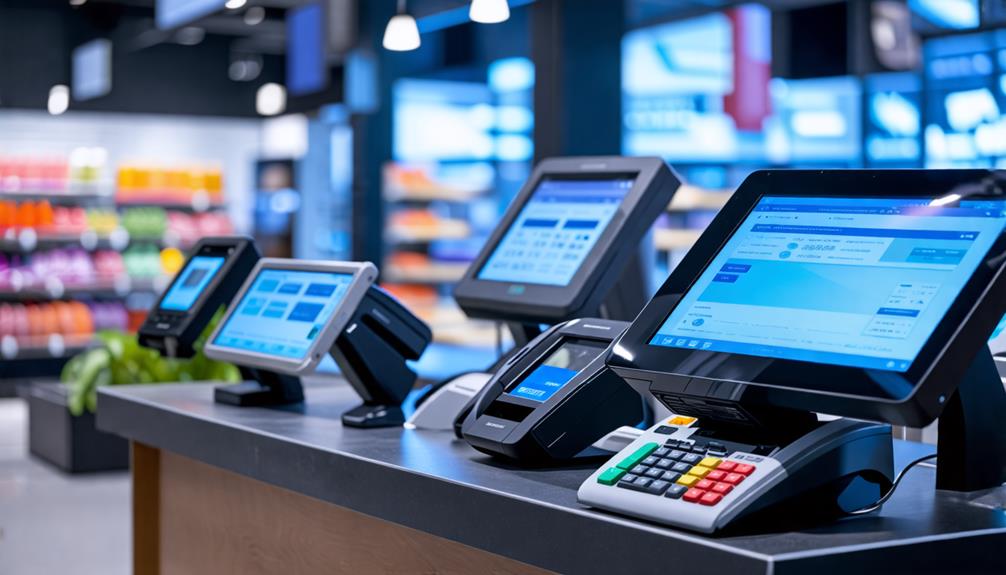
Selecting the right POS hardware involves considering the specific needs of your business type and size to ensure optimal performance and efficiency. Different industries, such as retail and restaurants, have unique hardware requirements tailored to their operational demands.
When evaluating options, it's crucial to assess the total cost of ownership. This includes not only the initial investment but also ongoing expenses such as monthly subscription fees and potential transaction costs. You want a solution that remains cost-effective in the long run.
Ease of use is another important factor. Opting for intuitive systems can significantly reduce staff training time, leading to quicker implementation and improved operational efficiency. Additionally, look for POS hardware that offers scalability. As your business grows, you may need additional devices or features, so choosing a system that can adapt to your evolving needs is essential.
Ensure that the hardware integrates seamlessly with your existing systems and software. This integration will help avoid disruptions in your daily operations, allowing you to focus on growing your business.
Benefits of POS Hardware
Investing in POS hardware enhances your checkout process by automating critical business functions. This automation streamlines transactions, leading to faster service and reduced errors. The result is improved customer satisfaction and a positive impact on your bottom line.
Increased Business Automation
POS hardware significantly enhances business automation, making tasks like inventory management and employee scheduling more efficient and less prone to errors. With POS systems, inventory levels automatically update with each sale, reducing manual tracking and minimizing mistakes, ensuring you're always informed about your stock status.
Additionally, POS hardware streamlines the reordering process by automating purchase orders, helping maintain popular items on your shelves and boosting customer satisfaction. Imagine never running out of your best-selling products again!
Employee scheduling is another area where automation excels. POS hardware can automate shift assignments and time tracking, saving time and reducing administrative workload, allowing you to focus more on strategic business activities. Furthermore, automating sales transactions speeds up the checkout process, resulting in shorter wait times. This not only enhances customer satisfaction but also encourages repeat business.
POS systems provide real-time sales data analysis, enabling immediate adjustments to inventory management and marketing strategies. Embrace the advantages of POS hardware and watch your business thrive!
Streamlined Transaction Processes
Streamlining transaction processes with POS hardware can significantly reduce checkout times and enhance customer satisfaction. Efficient payment processing and real-time updates enable your business to meet customer demands and elevate their shopping experience.
- Faster Checkout: Barcode scanners expedite transactions, particularly during peak hours, ensuring quick-moving lines.
- Instant Documentation: Receipt printers provide immediate proof of purchase, enhancing customer confidence in their transactions.
Implementing POS hardware modernizes your transaction processes and optimizes inventory management. Automated real-time updates with each sale prevent stock discrepancies and facilitate timely restocking decisions, allowing you to focus on serving your customers effectively.
In a competitive retail landscape, streamlined processes are vital for maintaining customer loyalty. Investing in POS hardware ensures a smoother, more efficient business operation that benefits both you and your customers.
Impact on Business Operations
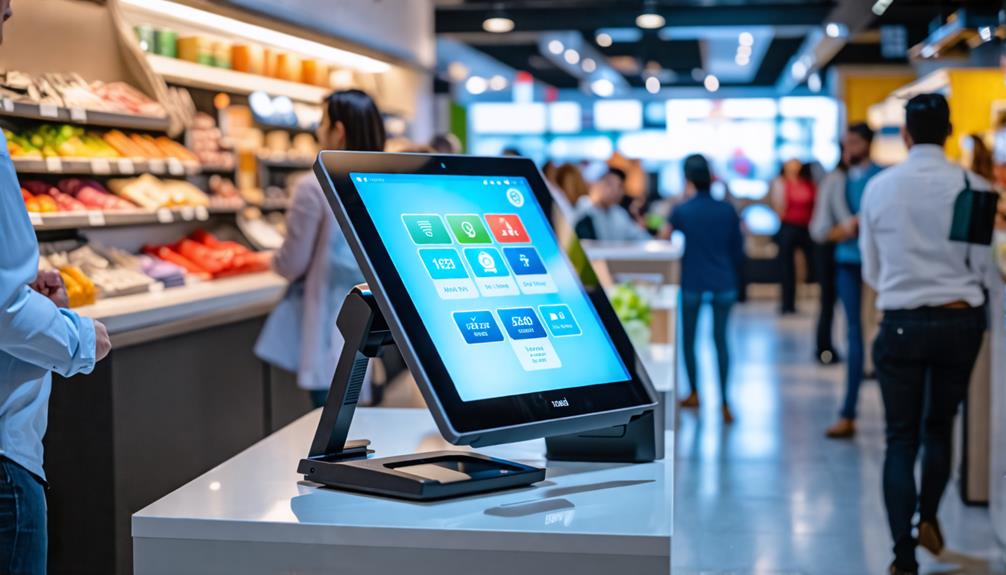
Integrating advanced hardware into your sales environment revolutionizes business operations by accelerating transactions and enhancing customer satisfaction. Modern POS hardware streamlines transaction processes, resulting in quicker checkouts and significantly reduced wait times. This efficiency not only delights customers but also enhances your sales potential.
Additionally, automated inventory management through POS systems mitigates human errors, helping you maintain optimal stock levels. By preventing overstocking and stockouts, you ensure that the right products are always available. Real-time data insights generated by your POS hardware empower you to make swift, informed decisions, enabling you to adjust sales strategies and inventory in response to current trends.
Sales tracking features embedded in the POS system boost overall operational efficiency. You can effortlessly monitor sales performance and customer behavior, allowing you to customize your offerings and elevate customer engagement.
Data-Driven Marketing Insights
Leveraging data-driven marketing insights revolutionizes your understanding of customer behavior and refines your sales strategies. Using POS systems, you can delve deeply into customer purchasing patterns, enabling you to tailor your marketing efforts effectively.
- Monitor sales trends in real-time
- Generate comprehensive reports on peak sales periods
Real-time data analysis allows for immediate adjustments to marketing strategies and inventory management. POS systems provide insights into customer purchasing behaviors and payment methods, facilitating the design of promotions and loyalty programs that align with specific customer preferences. This targeted approach enhances sales performance.
Detailed reports generated by POS systems offer valuable insights into popular products and peak sales periods, aiding in the optimization of marketing campaigns and inventory levels.
Integrating CRM features within your POS systems boosts engagement by enabling personalized marketing based on past purchase history. These analytics help identify underperforming products and support strategic pricing adjustments, driving sales and increasing profit margins. Embrace data-driven marketing insights to elevate your business to new heights.
Types of POS Systems Available
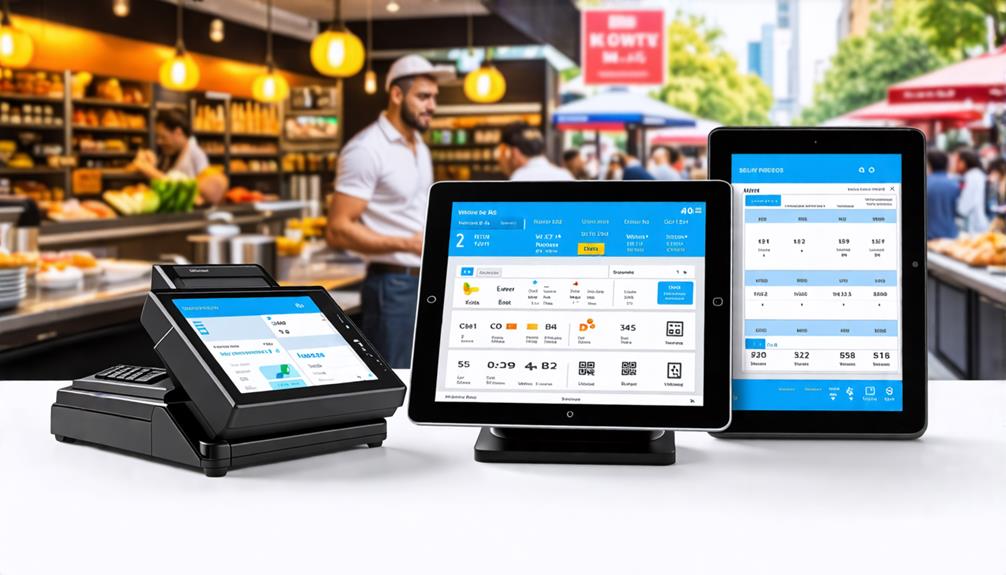
When choosing a POS system, it's crucial to evaluate the different types available to meet your business requirements. Traditional systems provide reliability with their hardware-based solutions, while mobile and cloud-based options offer greater flexibility and accessibility. Each type has distinct advantages, so it's important to determine which aligns best with your operational needs.
Traditional POS Solutions
Traditional POS solutions are robust hardware systems designed to streamline transactions and manage inventory in retail settings. These systems typically include a monitor or tablet, a cash register, a receipt printer, and a credit card terminal, allowing for efficient handling of multiple payment methods.
Key benefits of using traditional POS systems include:
- Comprehensive transaction management: Facilitate smooth sales processing while tracking customer purchases.
- Inventory management integration: Automatically update stock levels after each sale, preventing overstocking or shortages.
While the initial investment in POS hardware can be substantial, often ranging from thousands to tens of thousands of dollars, the long-term benefits generally justify the cost.
Traditional POS systems offer improved operational efficiency and valuable insights into sales trends and customer preferences, making them a solid choice for retail businesses aiming to enhance performance and maintain effective inventory control.
Mobile and Cloud Options
Mobile and cloud-based POS systems provide businesses with adaptable and efficient payment solutions tailored to various operational needs. Mobile POS (mPOS) systems enable payment acceptance via smartphones or tablets, making transactions more accessible, particularly for small businesses operating across different locations or at events. This flexibility allows businesses to serve customers directly where they are.
Cloud-based POS systems store data online, allowing access from any internet-enabled device. This capability enables real-time inventory tracking and sales report generation, reducing reliance on extensive on-site hardware.
For those seeking an all-in-one solution, integrated POS systems combine payment processing with features like inventory management, employee scheduling, and customer relationship management. This integration streamlines multiple business operations into a cohesive unit, enhancing workflow efficiency.
When exploring your options, remember that traditional POS systems are hardware-based and ideal for retail environments. In contrast, mobile and cloud-based systems offer superior flexibility and scalability, effectively meeting modern business demands.
Cost and Implementation Factors
Choosing the right Point of Sale (POS) system requires a thorough evaluation of various cost and implementation factors that can impact your business's budget and operational efficiency. Understanding these aspects is crucial, particularly for small businesses aiming to maximize their investment.
- Initial Costs: Traditional POS systems can cost several thousand dollars, while cloud-based options may start as low as $50 per month.
- Ongoing Expenses: Consider costs for hardware maintenance, software updates, and any additional features or services you may need, which contribute to the total cost of ownership.
When assessing POS hardware, it's important to consider more than just the purchase price. Implementation may involve additional investments such as training and setup.
While a basic system can be cost-effective initially, it's vital to evaluate if it meets your long-term needs. Striking a balance between cost and functionality will help you choose a POS solution that not only fits your budget but also enhances your business's efficiency and growth potential.
Conclusion
In summary, mastering POS hardware is crucial for your business's success. By understanding key components and selecting the right system, you can streamline operations and enhance customer satisfaction.
Leveraging data-driven insights will enable you to make informed marketing decisions. Be sure to evaluate costs and implementation factors to ensure you choose the best solution for your needs. With the right POS hardware, you're positioned for growth and efficiency.