How to Measure the Success of Your SaaS Application

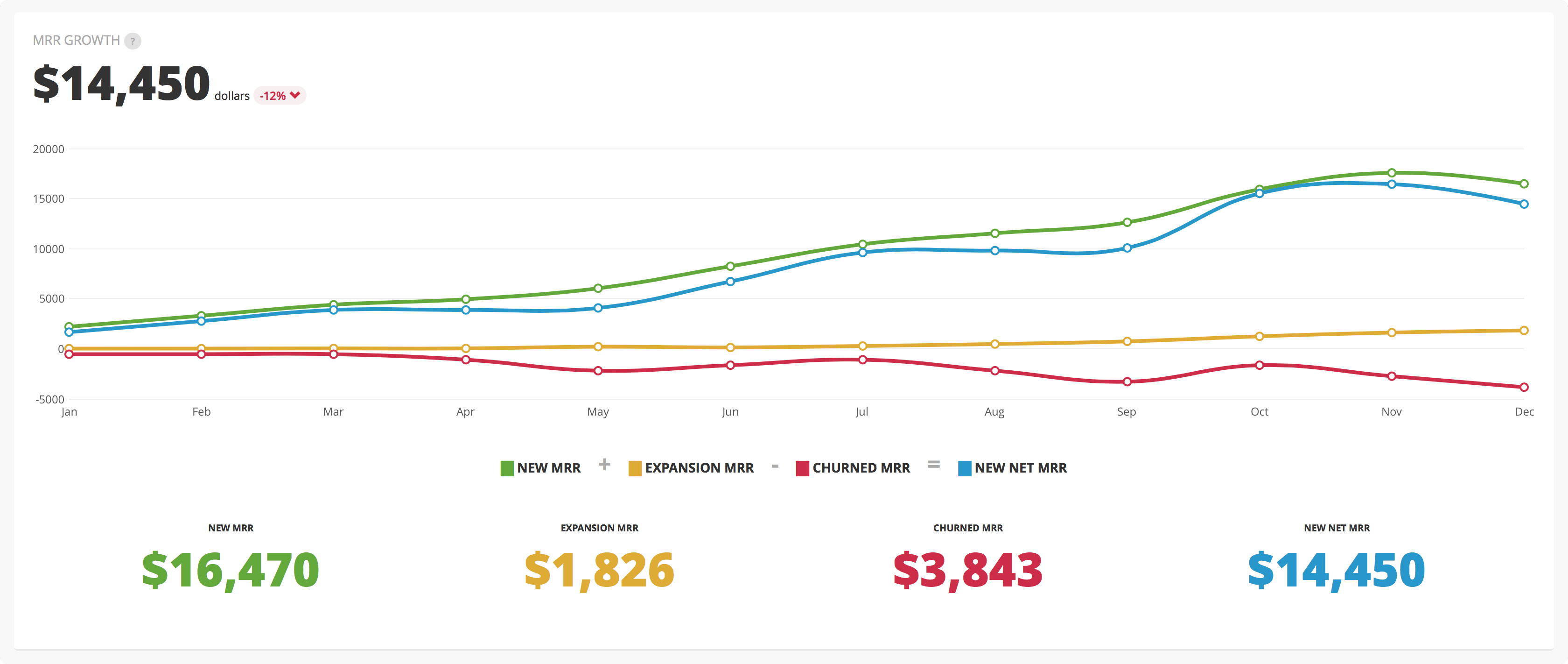
Measuring the success of your SaaS application hinges on focusing on key performance metrics. Critical indicators include Monthly Recurring Revenue (MRR), Customer Lifetime Value (CLTV), and Customer Acquisition Cost (CAC).
Additionally, tracking retention and churn rates can offer valuable insights into customer satisfaction and long-term viability. However, these metrics are just the beginning; understanding how to interpret and act on them is crucial.
What steps should you take next to ensure you're on the right track?
Importance of Key Metrics
Key metrics serve as the lifeline of your SaaS application, offering essential insights into its financial health and growth prospects. Monthly Recurring Revenue (MRR) enables you to forecast future income, while Customer Lifetime Value (CLTV) quantifies the total contribution of each customer over their lifetime. These metrics are vital for assessing customer retention and ensuring profitability.
Monitoring Customer Acquisition Cost (CAC) is equally important. Recovering CAC within 12 months is crucial for maintaining a sustainable business model. Additionally, metrics such as Net Promoter Score (NPS) and Customer Satisfaction Score (CSAT) provide valuable information on customer loyalty and satisfaction, which are key for product improvement.
Churn rates, both customer and revenue churn, shouldn't be overlooked. High churn rates can indicate underlying issues that need immediate attention. Keeping an eye on the customer engagement score is also critical, as engaged customers are less likely to churn. Focusing on revenue retention helps stabilize income and promotes long-term growth.
Calculating Retention Rates
Understanding how to calculate retention rates is essential for gauging customer engagement and satisfaction, which are fundamental for the long-term success of your SaaS application. The retention rate is calculated using the formula: (Customers at end of period - New customers acquired during the period) / Customers at start of period. This metric provides a clear view of how well you're retaining users over time. A high retention rate indicates effective customer engagement and satisfaction, both critical for your application's growth.
Tracking retention rates helps you identify trends and patterns in user behavior, thereby guiding your onboarding strategies and marketing efforts. Segmenting retention rates by cohorts or channels can offer deeper insights into which strategies effectively keep customers engaged.
It is important to monitor retention rates alongside other key metrics such as Monthly Recurring Revenue (MRR) and Customer Lifetime Value (CLTV). This comprehensive approach provides a thorough view of your financial health and helps inform decisions to improve customer satisfaction.
Analyzing Customer Acquisition Costs

Customer Acquisition Cost (CAC) is a critical metric for assessing the efficiency of your marketing strategies and understanding the financial impact of acquiring new customers. By calculating CAC, you ensure your customer acquisition efforts align with your company's sustainable growth objectives.
Key Metrics:
| Metric | Value |
|---|---|
| Total Sales & Marketing Expenses | $50,000 |
| New Customers Acquired | 100 |
| CAC | $500 |
| Ideal LTV-to-CAC Ratio | 3:1 |
A lower CAC indicates more efficient marketing tactics, while a higher CAC suggests the need to reassess your strategies. For financial health, aim to recover your CAC within 12 months to maintain a solid payback period. Monitoring CAC alongside Customer Lifetime Value (LTV) enables informed decisions regarding sales and marketing expenses. An ideal LTV-to-CAC ratio of around 3:1 signifies a sustainable business model, promoting customer success and long-term profitability. Regularly analyzing CAC helps you identify trends, optimize strategies, and strengthen overall financial health.
Understanding Customer Lifetime Value
Measuring the effectiveness of your marketing efforts is closely tied to calculating Customer Lifetime Value (CLV), which represents the total revenue you can expect from a customer over the duration of their relationship with your business. Understanding CLV is crucial for assessing long-term profitability and optimizing retention strategies.
To calculate CLV, consider these four key components:
- Annual Revenue per Customer: The average revenue generated by each customer per year.
- Customer Relationship Duration: The average length of time customers remain with your SaaS business.
- Customer Acquisition Cost (CAC): The cost incurred to acquire a new customer.
- CLV to CAC Ratio: Aim for a ratio of approximately 3:1 to ensure sustainable growth.
Monitoring Engagement and Churn

Monitoring engagement and churn is crucial for understanding user interaction with your SaaS application and identifying areas for enhancement. By tracking essential metrics, you can boost customer satisfaction and financial performance.
| Metric | Formula | Importance |
|---|---|---|
| Customer Retention Rate (CRR) | ((Customers at end - New customers) / Customers at start) x 100 | Indicates the effectiveness of engagement strategies |
| Churn Rate | (Churned customers / Total customers) x 100 | Identifies areas requiring attention and improvement |
| Customer Engagement Score (CES) | Evaluates user interaction with features | Higher scores are linked to reduced churn rates |
| Daily Active Users (DAU) | Tracks daily user activity | Reflects ongoing user engagement |
| Monthly Active Users (MAU) | Measures user activity over a month | Provides a comprehensive view of application health |
Conclusion
Measuring the success of your SaaS application requires tracking key performance metrics. Focus on Monthly Recurring Revenue (MRR), Customer Lifetime Value (CLTV), and Customer Acquisition Cost (CAC) to gain insights into your financial health and growth potential.
Additionally, analyze retention and churn rates, as well as user engagement through Daily Active Users (DAU) and Monthly Active Users (MAU). Monitoring these indicators will help you enhance customer satisfaction and drive your application's success.
Stay proactive and data-driven, and you'll see positive results!
Related posts