How Does POS Merchant LTV Vary Across Industries?
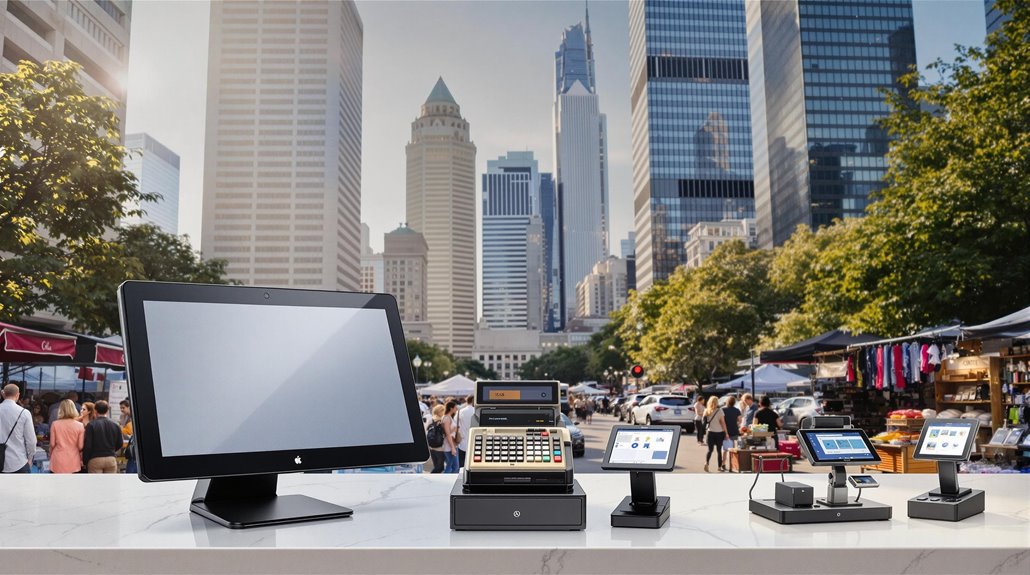
When considering how POS Merchant LTV varies across industries, you need to look at transaction frequency, customer engagement, and industry-specific factors. In retail, high transaction volumes and loyalty programs often boost LTV significantly, sometimes exceeding $1,000. Meanwhile, automotive services have lower LTVs, around $300, due to less frequent purchases. In healthcare, strong patient relationships lead to LTVs ranging from $2,000 to $10,000.
Technology, including CRM integration, plays a key role in enhancing these values by streamlining operations and identifying high-value customers. For deeper insights into how these elements interact in different sectors, you might explore the specific circumstances.
Key Takeaways
- Retail industries have higher LTVs, ranging from $200 to $1,000, due to high transaction volumes and customer engagement strategies.
- Hospitality sectors face lower LTVs due to high churn rates, but integration strategies can significantly reduce churn and improve LTV.
- Healthcare industry LTV varies from $2,000 to $10,000, driven by patient retention and chronic care management.
- E-commerce LTV benefits from personalized marketing, which boosts repeat purchases and customer retention.
- SaaS industries often achieve LTVs exceeding $5,000, thanks to consistent customer engagement and subscription models.
Defining POS Merchant LTV
When defining POS Merchant Lifetime Value (LTV), it's crucial to understand it as a metric representing the total revenue a merchant generates throughout their relationship with a POS provider. To get a clear picture, you need to factor in average transaction values, the frequency of transactions, and the lifespan of the customer. POS systems play a vital role here, as they contribute directly to the Customer Lifetime Value by facilitating every transaction and maintaining customer data.
You should also consider customer acquisition costs and churn rates, which can significantly impact LTV. For instance, industries like retail, with their high transaction volumes and frequent customer interactions, often experience higher LTV. In contrast, sectors like hospitality might suffer from higher churn rates and seasonality, reducing their LTV. A restaurant, for example, might deal with a 20% annual churn rate, which can be detrimental to their overall LTV. Integrating POS systems with other business tools, such as inventory and customer relationship management (CRM), enhances operational efficiency and customer engagement.
This integration can boost LTV by streamlining processes and deepening customer relationships, ensuring that merchants maximize their revenue potential over time. Efficient employee management through POS systems is another factor that can positively influence LTV, as it reduces administrative burdens and improves productivity.
Industry-Specific LTV Drivers
Industry-specific LTV drivers frequently vary based on the unique characteristics and challenges of each sector.
For instance, in the hospitality sector, customer loyalty programs and repeat visits significantly enhance customer retention, despite high churn rates. You'll find that a well-executed marketing campaign can further bolster this effect, leading to an average LTV of around $200.
In contrast, the restaurant industry benefits from focusing on customer experience and menu diversity. Innovating and adapting to consumer trends can boost LTV by up to 30%, setting you apart from competitors.
For subscription-based services like SaaS platforms, the recurring revenue model is a powerful LTV driver. With strategies aimed at reducing customer acquisition costs and maintaining high customer retention, these businesses often exceed an LTV of $1,000. SaaS platforms are particularly beneficial for startups and small businesses due to reduced upfront costs, enhancing their scalability and financial efficiency.
Here's a closer look at how these drivers play out across industries:
- Retail: Seasonal sales cycles influence customer spending and acquisition strategies.
- Hospitality: Loyalty programs bolster retention despite high churn.
- Restaurants: Menu innovation elevates customer experience and loyalty.
- E-commerce: Personalized marketing campaigns enhance repeat purchases and retention.
Retail LTV Dynamics
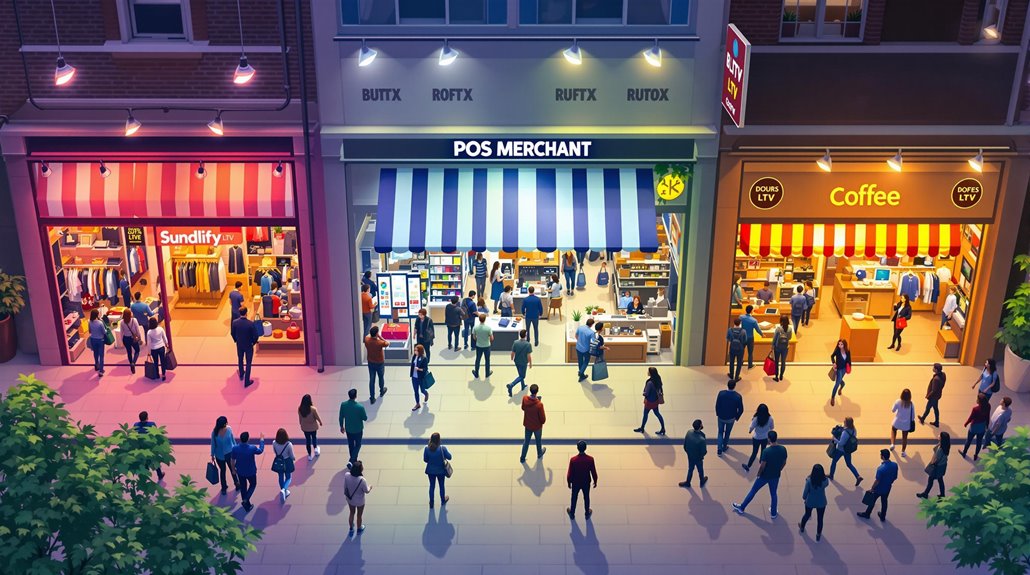
In the retail sector, Customer Lifetime Value (LTV) can range widely, from approximately $200 to over $1,000, depending on how effectively you engage customers and encourage frequent purchases. To boost LTV, consider implementing loyalty programs. These programs not only increase customer retention but can also lead to a 5-10% rise in LTV by encouraging repeat sales and creating a more personalized experience. Seasonal sales events are another strategy to enhance LTV. These promotions often lead to spending spikes, as customers are more inclined to buy during these periods, increasing the average transaction value. Additionally, the shift towards e-commerce plays a crucial role in elevating LTV.
Online retailing allows for personalized marketing and streamlined purchasing processes, which can result in higher spending per customer. Moreover, offering a diverse range of products can significantly impact LTV. When customers have access to a wider variety of options, they're more likely to return for future purchases, enhancing their overall lifetime value. Implementing SaaS solutions in retail can further enhance LTV by providing businesses with tools for personalized customer experiences and operational efficiency.
Hospitality's LTV Characteristics
Navigating the hospitality sector's Customer Lifetime Value (LTV) can be challenging due to numerous inherent obstacles. High churn rates plague this industry, with about 30% of restaurants failing each year, which directly affects LTV.
As a player in this field, you're contending with not only high fixed costs but also an average 70% staff turnover, both of which add to the instability and complexity of calculating LTV for hospitality merchants.
To improve your LTV, consider these critical areas:
- Customer Engagement and Loyalty: Successful hospitality merchants often boost their LTV by implementing effective engagement strategies that reduce churn and enhance profitability.
- POS Platform Integration: Leveraging integration capabilities, especially for accounting, can reduce churn rates by 20%. This demonstrates how support services can directly enhance LTV.
- Managing Involuntary Churn: Understanding that POS providers face around a 20% annual customer loss due to closures can help you strategize better to mitigate this risk.
- Cost Management: Keeping a close eye on fixed costs and turnover can provide more stability, ultimately impacting your LTV positively.
- Adopting SaaS Solutions: By utilizing cloud technology democratizes access to advanced tools, hospitality businesses can streamline operations, reduce costs, and improve overall efficiency.
Healthcare LTV Trends

While the hospitality sector grapples with high churn and turnover, the healthcare industry faces its own unique challenges and opportunities in maximizing Customer Lifetime Value (LTV).
In healthcare, acquiring new customers, or patients, is notoriously expensive—often up to five times more than retaining them. This high cost significantly impacts LTV, making patient retention a crucial focus. For providers, an LTV can range from $2,000 to $10,000 per patient, with chronic care patients typically generating higher lifetime revenue streams due to frequent necessary care.
To enhance LTV, healthcare providers can focus on building strong customer relationships. Factors like patient loyalty, quality of care, and personalized services are key. Satisfied patients are more likely to return and recommend your services to others, increasing their overall lifetime value.
The average patient retention can vary, with primary care patients staying with a provider for 3-5 years, which cumulatively boosts their LTV.
Moreover, digital health technologies and telemedicine are transforming the landscape, enhancing patient engagement and retention. By integrating these innovations, you could increase LTV by up to 30%, leveraging improved accessibility and convenience to strengthen customer relationships and revenue streams. Implementing strategies to maximize revenue per customer through upselling and cross-selling can further boost lifetime value by aligning services with patient needs and preferences.
Impact of Transaction Frequency
Kicking off the discussion on transaction frequency, it's clear that how often customers engage with a business plays a pivotal role in shaping POS merchant LTV across various industries.
Frequent transactions typically lead to higher customer retention, boosting your business's long-term value. Take the food and beverage sector, for example, where repeat purchases enhance LTV significantly.
Here's why transaction frequency is crucial:
- Increased Customer Value: Businesses like convenience stores thrive on high transaction frequency, achieving LTVs over $1,000 due to constant customer engagement. More frequent interactions mean more opportunities to upsell and cross-sell.
- Loyalty Programs: Implementing loyalty programs in businesses such as coffee shops can drive repeat transactions, enhancing transaction frequency and increasing LTV by 20-30%. This strategy builds a loyal customer base that returns frequently.
- Subscription Models: Industries like SaaS benefit massively from consistent transaction frequency, with LTVs often reaching $5,000 or more. Regular billing cycles keep customers engaged and committed.
- Sales Efforts: High transaction frequency allows for more targeted sales efforts, increasing the potential for customer retention.
In sectors with infrequent purchases, like automotive services, LTVs may average around $300, illustrating the importance of maintaining customer connections.
Understanding customer behavior through metrics like customer engagement scores can further optimize transaction frequency, enhancing overall customer lifetime value.
Customization and Retention

Understanding transaction frequency's impact on POS merchant LTV lays the groundwork for exploring how customization and retention further amplify this value. Customization in POS systems is a priority for 48% of retailers. This reflects a substantial demand for tailored solutions, which directly enhance customer retention and satisfaction. By addressing unique business needs, you can significantly boost your LTV through a more personalized user experience. The direct-to-consumer (DTC) movement encourages businesses to engage closely with customers.
This fosters relationships that can dramatically increase merchant LTV. Tailored offerings and rapid feedback loops play crucial roles in this process, allowing you to adapt quickly to customer preferences and enhance retention. Cloud-based POS systems are also becoming pivotal. They're projected to grow to $3.73 billion by 2026, making self-service setup and automatic updates more accessible. These features reduce reliance on resellers and improve user experience, which is essential for customer retention.
Integrating POS systems with other business tools, like CRM and inventory management, boosts operational efficiency and data accuracy. Simplifying return processes and enhancing communication can lead to improved loyalty, ultimately resulting in higher retention rates and increased LTV across industries. SaaS platforms in real estate, such as tenant communication tools, exemplify how technology can enhance customer satisfaction and streamline processes, further amplifying LTV through effective management.
Technology's Role in LTV
Technology revolutionizes how businesses optimize their POS merchant LTV by leveraging data-driven insights to tailor marketing strategies. With cloud-based POS systems, you can analyze customer data in real time, enabling you to adjust your offerings based on customer behavior and preferences. This not only boosts retention rates but also enhances the overall customer experience.
Here's how technology adds value to your business:
- Real-Time Monitoring: Cloud-based systems allow you to continuously track transactions, helping you understand purchasing patterns and adjust your inventory and marketing strategies accordingly.
- Integrated Systems: By integrating payment processing with CRM and inventory management, you streamline operations, leading to smoother transactions and improved customer satisfaction.
- Predictive Analytics: Utilizing advanced analytics and machine learning, you can predict customer churn and identify high-value segments. This enables focused retention campaigns that can significantly increase your LTV.
- Convenient Payment Solutions: Mobile and contactless payments make transactions quicker and more convenient, resulting in higher transaction frequencies and increased average order values.
In addition to these benefits, POS terminals offer seamless cash drawer integration, which enhances transaction efficiency and minimizes delays. Harnessing technology in these ways not only enhances customer loyalty but also maximizes the lifetime value of each customer in your business.
Strategies to Enhance LTV
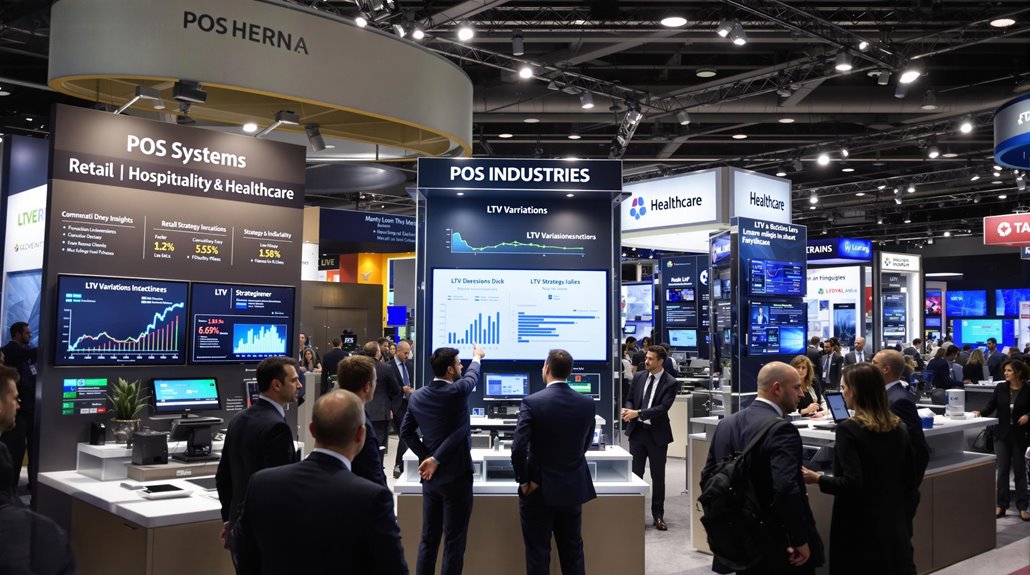
Building on the technological advantages that enhance POS merchant LTV, businesses can further boost their lifetime value through strategic initiatives. Implementing loyalty programs is a proven way to increase both average order value and customer retention. Existing customers are significantly more likely to repurchase, with a 65% chance compared to just 12% for new customers. This highlights the importance of nurturing your existing customer base. Personalizing marketing campaigns based on customer behavior and preferences can enhance engagement and drive repeat purchases.
By understanding what your customers want, you can tailor your offerings to meet their needs, ultimately increasing their lifetime value. Streamlining return processes and improving customer service can lead to higher satisfaction and loyalty, reducing churn rates. Utilize data analytics to identify high-value customers, allowing you to allocate resources effectively towards retention strategies that promise long-term profitability.
By knowing who your best customers are, you can focus on keeping them engaged and satisfied. Regularly reviewing and adjusting pricing strategies based on customer segments and market dynamics can also help optimize revenue, ensuring your business remains competitive and profitable across varying industries. Implementing a preventive maintenance strategy in maintenance operations can also aid in reducing unexpected downtimes, thereby enhancing overall business efficiency.
Related posts